Turn One Trade Show Into a Year-Round Brand Engine
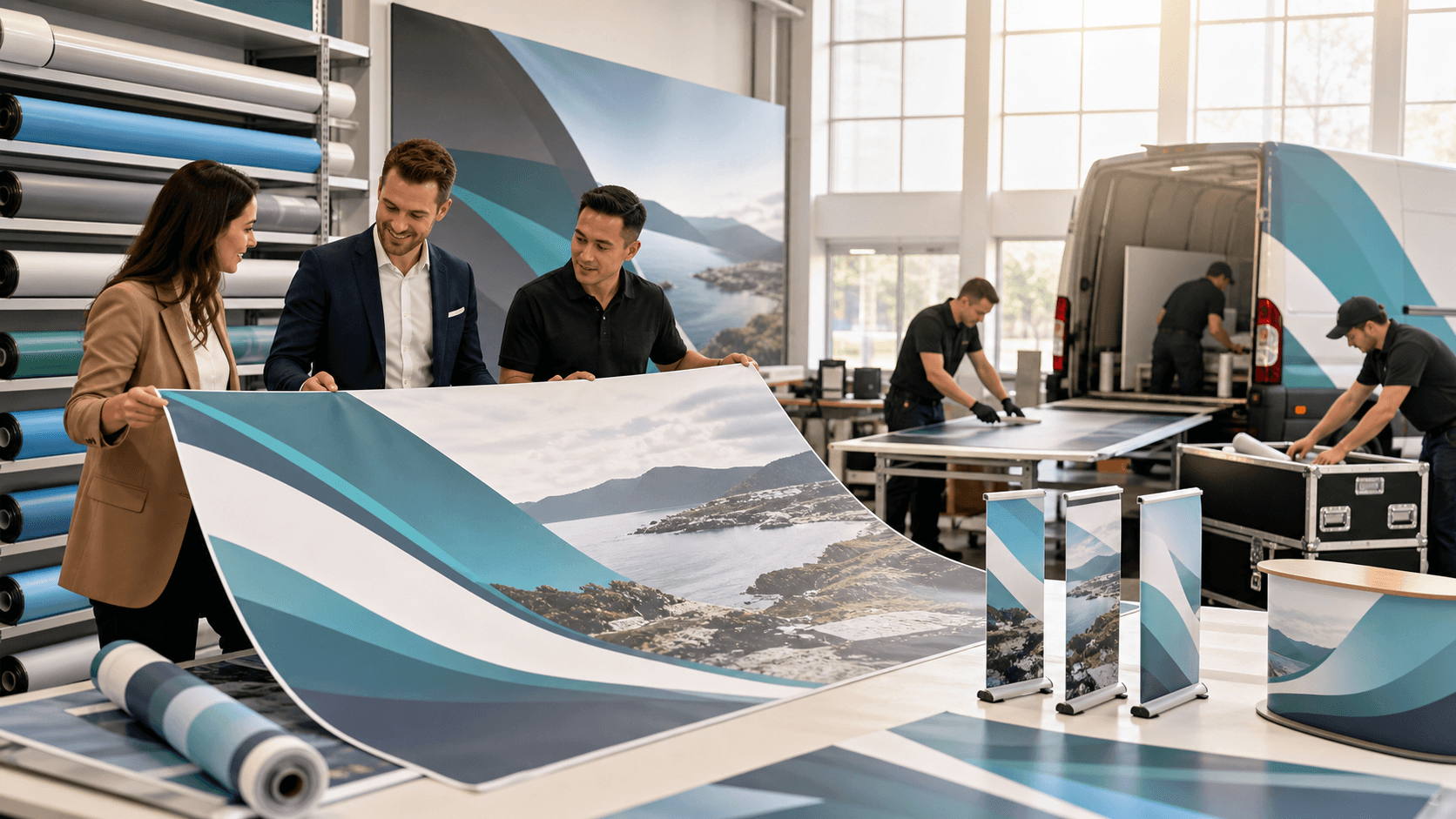
Trade show booth graphics do not have to work for only three days and then head to storage. With the right plan, they can become the start of a visual system that keeps your brand active in offices, stores, and on the road all year long. That means more eyes on your message and a lot more value from every panel, wall, and wrap you print.
Think of a busy trade show floor in early summer, aisles full, lights bright, your booth buzzing. Then the show closes, the crates roll out, and all that energy fades. It does not have to. When graphics are designed for reuse, the show becomes a launch point, not a one-time event. As a nationwide graphics and signage partner, we help brands turn vehicles, interiors, and exterior spaces into an extension of that booth experience. Mid-year is a perfect time to rethink your fall shows, end-of-year push, and next calendar, so let us walk through how to plan smarter trade show booth graphics, from strategy and design to real-world reuse.
Rethinking Trade Show Booth Graphics as Brand Assets
For a long time, teams treated trade show booth graphics like disposable props. You order a custom wall for one event, pack it up after, and maybe never use it again. That mindset wastes budget and makes it harder to keep a consistent look across locations.
A better approach is to treat graphics as long-term brand assets. When you plan with reuse in mind, those big, bold visuals can live on in:
- Corporate lobbies and reception areas
- Showrooms and demo spaces
- Regional offices and training rooms
- Vehicle wraps and fleet graphics
Designing for versatility starts with your core story. Instead of building every wall around a show theme, focus on messages that stay true all year, like who you serve, what you do best, and why it matters. Then layer show details on top in smaller, removable pieces. Modular elements can include:
- Interchangeable panels with magnets or hardware
- Removable vinyl sections for show dates or offers
- Separate headers or banner rails for theme lines
This only works well when teams talk to each other. Marketing might be focused on the show, while sales, facilities, and fleet managers are thinking about offices and vehicles. When everyone plans together, you can design one set of graphics that meets all those needs with fewer reprints and tighter brand control.
Designing Booth Graphics That Work Far Beyond the Floor
To get long life from your trade show booth graphics, build them in layers. Start with the core message that could live on a wall or a truck any day of the year. Then add the show-specific content in spots that are easy to change.
A simple way to think about it is the 3-30-3 rule:
- 3 seconds: Big, clear idea and brand name
- 30 seconds: Main benefits or story beats
- 3 minutes: Deeper detail, diagrams, or product callouts
If you keep those main pieces timeless, you can swap only the 30-second and 3-minute layers for different shows or seasons. It also helps to design a visual system that can travel. Patterns, icons, and photo treatments that look good on a 20-foot wall should also crop cleanly into:
- Window graphics and door entries
- Office wall murals and column wraps
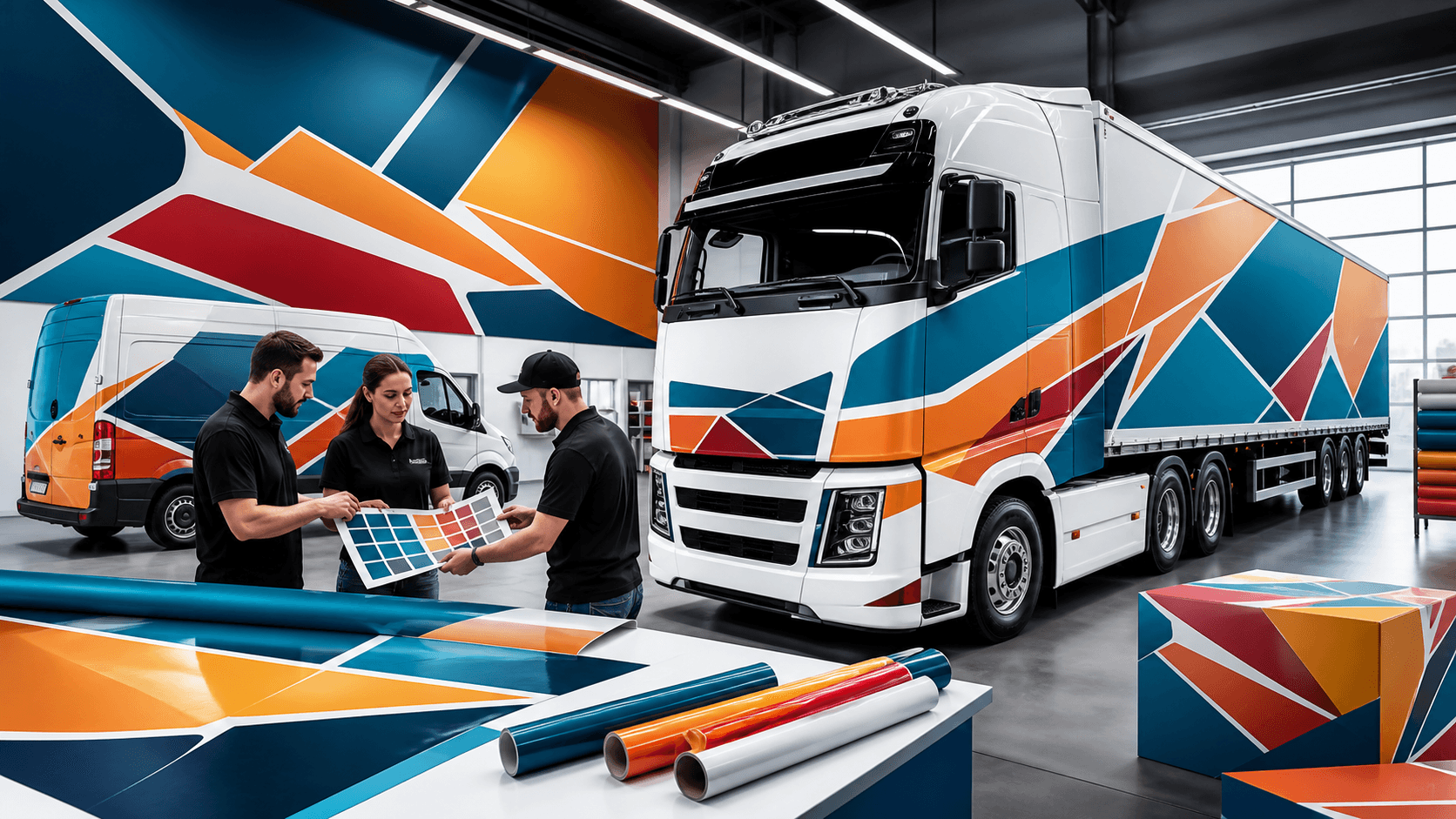
- Fleet graphics, partial wraps, and decals
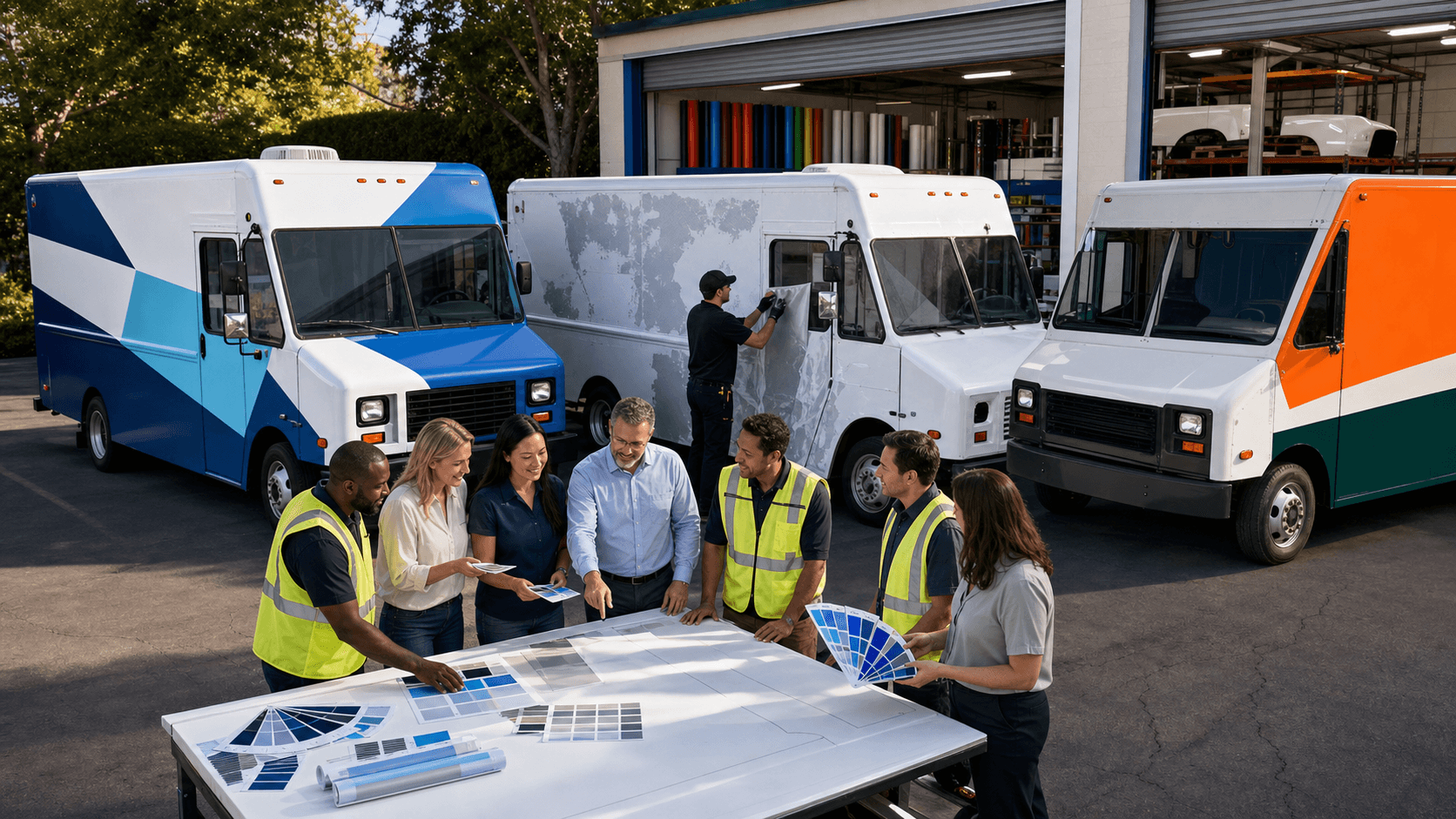
Color accuracy is key when you are moving from booth fabrics and rigid panels to vinyl and exterior signage, especially across different climates and lighting. Keeping a tight color and typography system makes your brand feel familiar, whether someone spots you on a show floor, in a lobby, or at a traffic light.
These days, every booth is also a photo backdrop. When graphics photograph well, you get bonus content for social media, email headers, and landing pages. Clear logos, web addresses, and simple hashtags placed where people naturally stand for photos help carry your message far beyond the event. Good lighting and high-contrast design support this, so those photos look strong, not muddy.
Extending Trade Show Impact Into Offices, Stores, and Fleets
Once the show is over, the goal is to put those assets back to work, not back in a crate. Large backdrops and towers that once framed a booth can become statement pieces in:
- Lobbies or welcome areas
- Conference rooms and training centers
- Showrooms or product display zones
Story panels from the booth can shift into educational wall graphics, directional signage, or customer success walls. Product timelines, innovation themes, and impact stats that helped draw traffic at the show can turn into everyday brand storytelling in your spaces. Often, this means breaking one big story wall into smaller framed segments that fit hallways and regional offices.
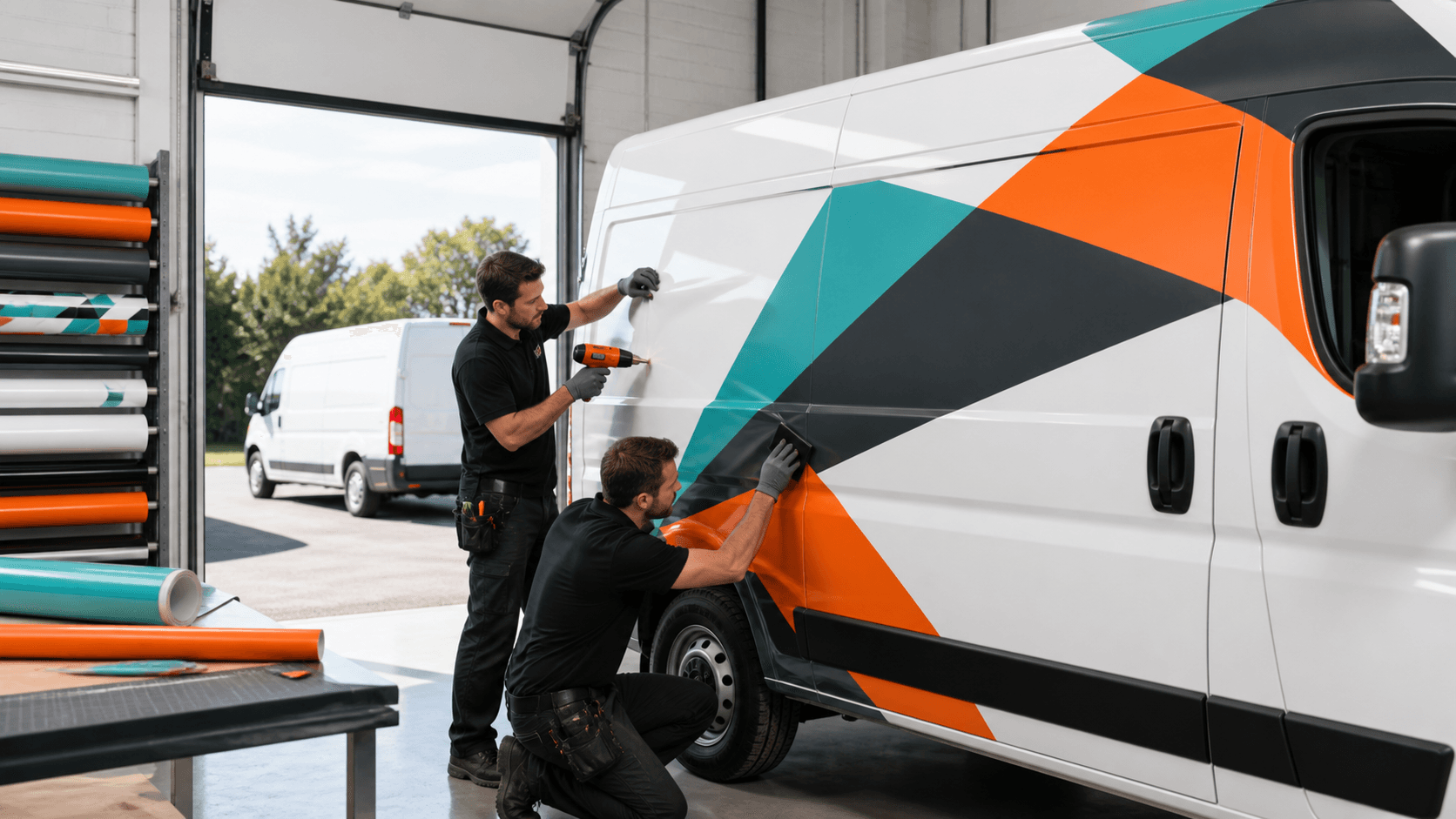
Your fleet is another natural home for your trade show look. The same hero imagery and key messages that stopped people in the aisle can ride on your vehicles, turning daily routes into mobile trade show moments. Seasonal lines or campaign themes from your booth can adapt into:
- Partial wraps on doors and sides
- Rear-door graphics built for stop-and-go traffic
- Window or panel decals that can be updated by season
When office interiors, storefronts, and fleets all echo the same visual story you used at the show, people start to recognize you faster and trust builds over time.
Seasonal and Campaign-Ready Graphics All Year Long
To really stretch your trade show booth graphics, it helps to plan a year-round graphics calendar. Map out:
- Major trade shows and conferences
- Product or service launches
- Seasonal peaks like back-to-school or holidays
From there, decide which elements should stay evergreen and which should be printed as swappable, short-run pieces. This kind of planning is especially helpful heading into fall and winter, when production schedules and installation windows fill up quickly.
Many brands find it helpful to build modular graphic kits. Think of a core booth structure plus a library of panels, clings, and banners you can pull from for different events. The same kit can support a summer conference, a regional roadshow, and an end-of-year, year-round summit with only a few new prints. To keep things moving smoothly, it helps to have clear storage and labeling so teams can grab the right parts fast.
Quality materials matter here. Durable substrates, fade-resistant inks, and careful color matching give your graphics the strength they need for multiple shows and redeployments in offices, retail spaces, and on vehicles in all kinds of weather. Working with a partner that has a nationwide installer network also helps, because good handling and proper installation go a long way in keeping your graphics looking sharp. This approach supports sustainability too, since you are reusing more and reprinting less.
Partnering to Turn Every Graphic Into a Growth Opportunity
When trade show booth graphics are planned as part of a bigger system, every panel, wrap, and wall can support your brand long after the last attendee leaves. You get stronger ROI, more consistent branding, and higher visibility in every market you serve, whether that is at the front door, in a meeting room, or on the road.
At AGS SEO, part of American Graphics & Signs, we work with multi-site and enterprise brands to connect all these touchpoints. Together with your marketing, facilities, and operations teams, we help align strategy, design, materials, production, and installation so your trade show presence flows naturally into your everyday spaces and fleets. When we plan with reuse in mind from the start, one show can spark a full year of smart, coordinated visuals that keep your story moving.
Get Started With Your Project Today
Ready to transform your event presence with custom trade show booth graphics that actually support your goals? At AGS SEO, we work closely with your team to align visuals, messaging, and layout so your booth stands out and attracts the right visitors. Share your timeline, budget, and ideas, and we will help you turn them into a focused, conversion-ready display. If you are ready to move forward or have questions about your specific project, contact us today.