Turn Seasonal Buzz Into Moving Brand Landmarks
Seasonal promos move fast. One week you're planning a summer push, the next you're rolling into back-to-school and the holiday rush. The real challenge is keeping your vehicles, social feeds, billboards, and local landing pages all telling the same clear story without bending your brand out of shape.
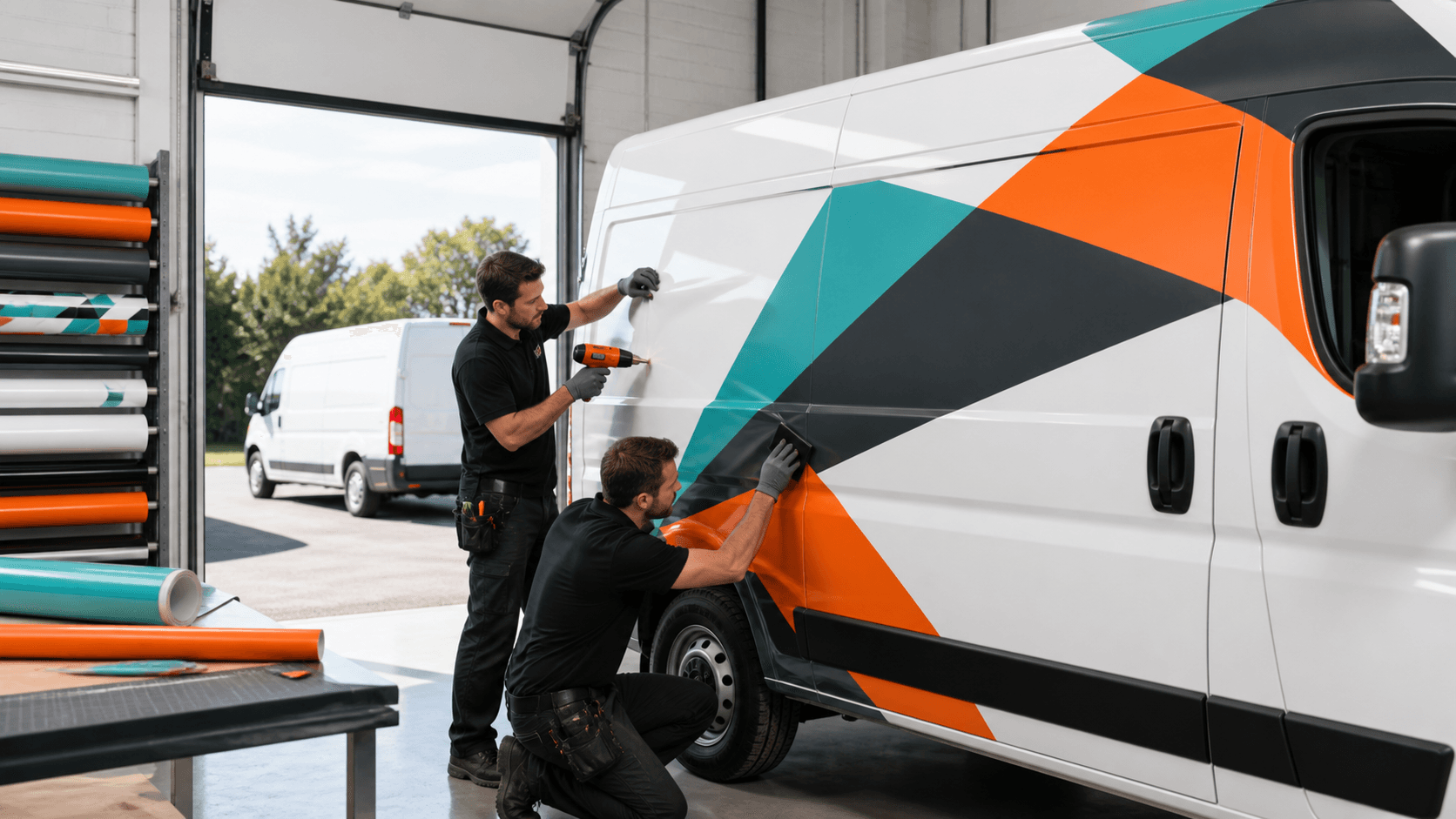
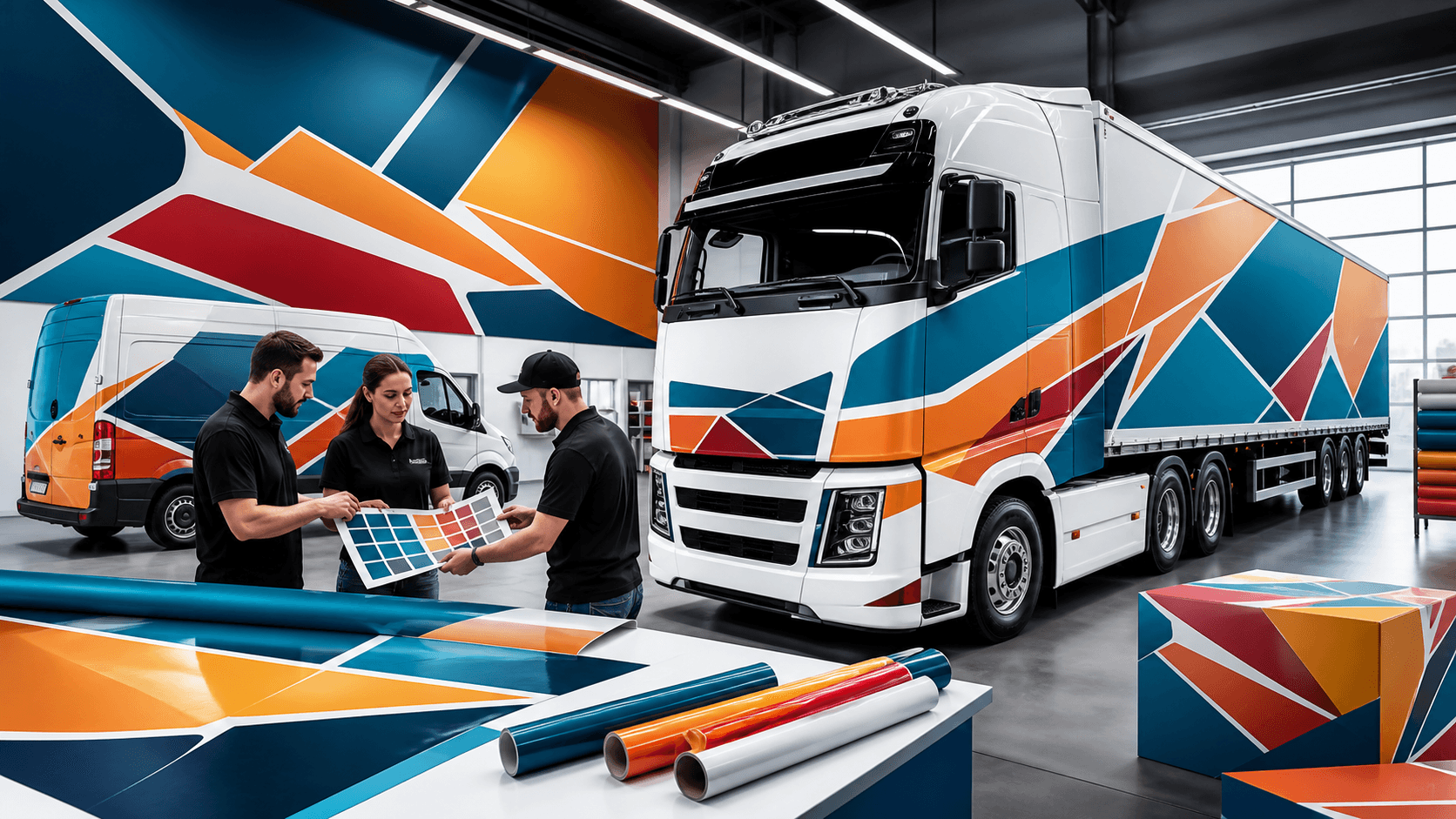
That's where strategic fleet graphics design becomes a powerful advantage. Your vehicles are not just wrapped boxes on wheels; they're moving brand landmarks and mobile extensions of every promo you run. When they match what people see online, on the street, and at your locations, your brand feels sharp, steady, and ready for anything.
Our shared goal here is simple: show how to translate limited-time offers and seasonal themes across fleet graphics, social, out-of-home (OOH), and local landing pages while still protecting your core brand and operational reality. At AGS SEO, part of American Graphics & Signs, we sit at the intersection of design precision, logistics, and brand consistency, partnering with brands across the country to keep everything in sync and in motion.
Together, we can turn seasonal buzz into long-term brand resonance and visibility.
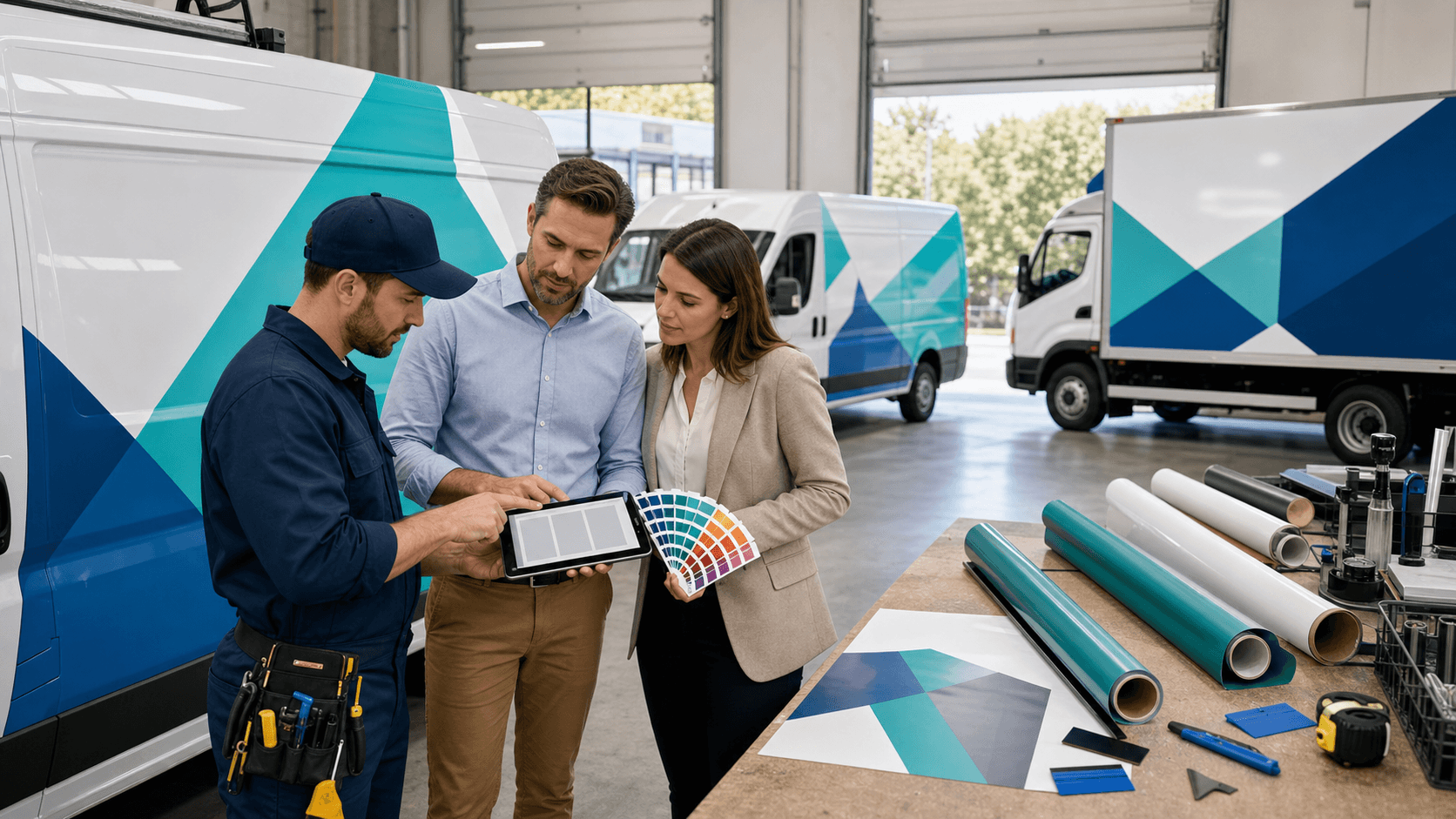
Build a Brand-First Blueprint Before the Big Promo Push
Strong seasonal work starts long before the first snowflake, beach ball, or fireworks graphic. It starts with clear brand guardrails everyone on your team, and ours, understands.
Set your non-negotiables:
- Logo usage and clear space
- Exact color values for your core palette
- Typography hierarchy for headlines, subheads, and body copy
- Tone of voice and word choices you always use or avoid
Then decide where you can flex for seasonal flair without diluting recognition. For example:
- A pre-approved "promo-safe" color set that pairs with your core colors
- Secondary fonts allowed only for short, seasonal headlines
- Illustration or icon styles that feel festive but still on-brand
Next, remember that a truck is not a phone screen. We design for physical context:
- At 40 miles per hour, you get only a few seconds of attention
- Long taglines or tiny type that look fine in a feed will vanish on the road
- Lighting, weather, and viewing distance can wash out weak contrast
Plan your priority message zones across physical and digital experiences:
- On vehicles: side panels, rear doors, and driver-side vs. passenger-side
- On storefronts and billboards: central hero area, edges, bottom strip
- Online: hero image, H1 headline, subhead, and above-the-fold content
Then tie it all together with a shared creative toolkit we can maintain together. Build a central, campaign-specific library with:
- Hero images
- Promo frames and badges
- Seasonal icons or patterns
- Graphics that can be used in both static and motion formats
When every team pulls from the same toolkit, the van wrap, OOH board, social post, and local landing page all feel like one cohesive system, not four separate ideas. That unity is where brand visibility and resonance really compound.
Translate One Seasonal Idea Across Every Touchpoint
Seasonal campaigns get messy when there are too many messages. We recommend starting with one sharp idea and one main offer. For example, a summer promo might center on "Summer Rush Ready" with a single action, like fast service or limited-time savings.
From that, craft a short, punchy headline that can work everywhere:
- On the truck side
- In a square social graphic
- As the H1 on a local landing page
Keep the core words the same so people recognize it across channels and build trust faster.
For fleet graphics design, less is more. Vehicles need:
- A bold seasonal headline
- Clear brand logo and colors
- One simple action, like a short URL, QR code, or "Search [Brand] Near You"
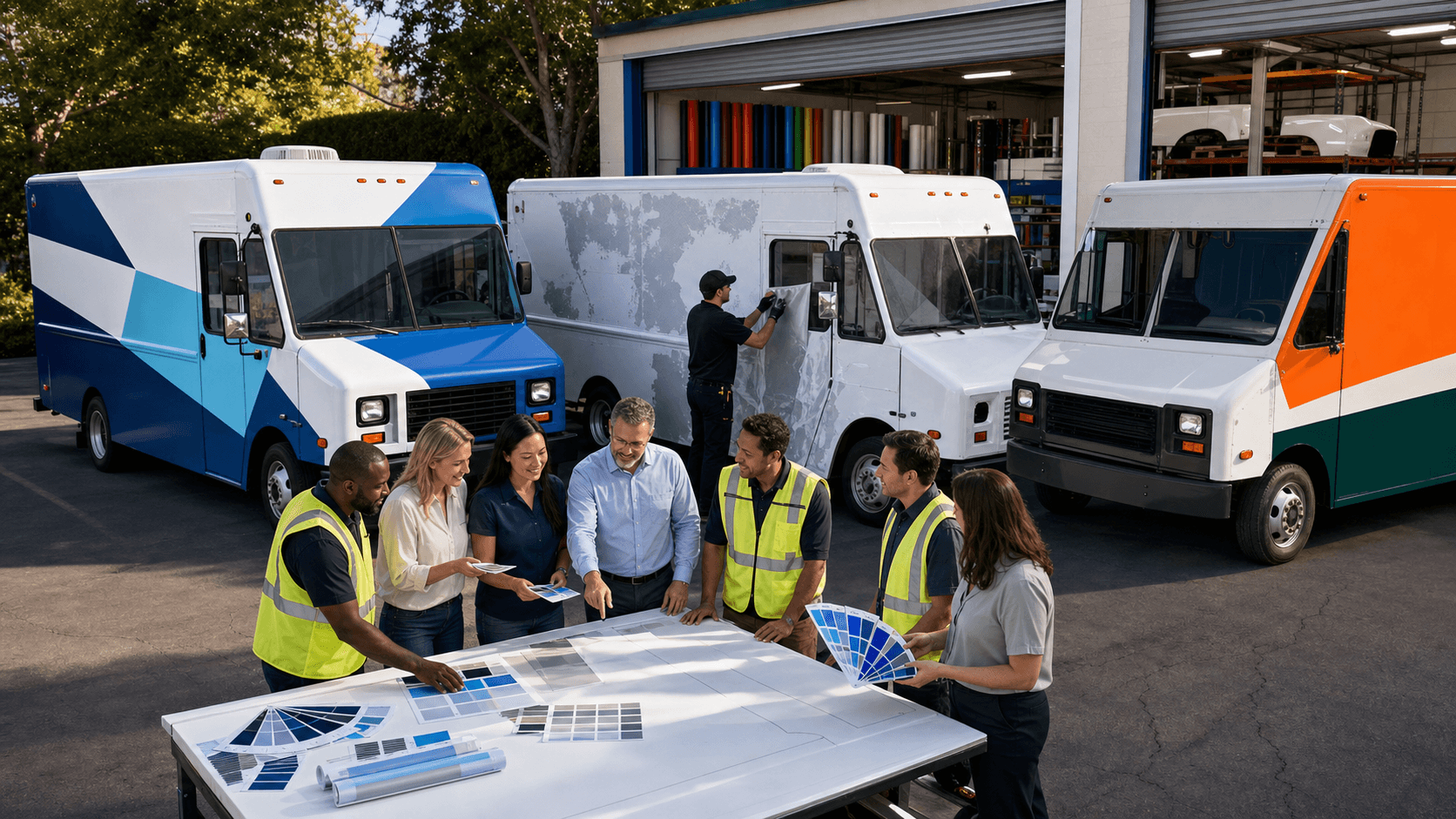
Color and iconography should be consistent across your whole fleet even when you have sprinters, box trucks, and sedans in the mix. That repeating visual thread makes the campaign stick in people's minds and elevates your presence in every market you serve.
Then we extend the same idea into social, OOH, and landing pages. Use one visual spine:
- Same primary colors
- Same main hero image or style
- Same promo lockup, like "Headline + Badge + Date Range"
Adjust hierarchy, not identity:
- Fleet and OOH: ultra-short, bold messaging and strong visuals
- Social: mid-detail, short captions, and light interactivity
- Local landing pages: full details, fine print, FAQs, and forms
That way, no matter where someone enters the campaign, the story is clear, connected, and distinctly your brand.
Keep Omnichannel Creative Aligned Without Slowing Down
Fast seasonal work often falls apart because each team is working from a different playbook. A "one brief, many channels" workflow keeps everything aligned and moving efficiently.
Together, we can build one unified campaign brief that covers:
- Main objectives and KPIs
- Priority audiences and regions
- Timing across vehicles, OOH, social, and web
- Any operational limits, like install windows or route shifts
Then we schedule shared review checkpoints where brand, marketing, and operations look at the full creative system together. When everyone sees how the truck side relates to the landing page and the paid social unit, you avoid last-minute mismatches and wasted effort.
On the production side, it helps to standardize fleet graphics design. We often create layout systems with:
- Grid zones for logos, headlines, and calls to action
- Approved logo lockups for each vehicle type
- Minimum type sizes for legibility in motion
You can also standardize materials and finishes for seasonal versus evergreen content. Many brands keep a permanent brand-forward wrap, then use removable overlays or decals for rotating promos. That approach reduces waste, protects budgets, and speeds up swap-outs when offers change.
To keep it all under control, we recommend clear approvals and version control:
- Store final, approved files in a single asset system
- Organize by vehicle type, region, and channel
- Document rules for what gets updated when a promo ends and who owns each step
This is where partnering with a national fleet graphics and signage team with a trusted installer network becomes especially valuable, because planning and execution move together instead of in separate silos.
Measure Real-World Impact and Refine the Next Rollout
Seasonal work only gets smarter if we track what your moving media actually does. Tie offline impressions to online actions with simple tools:
- Short, easy-to-remember URLs on vehicles and OOH
- Campaign-specific QR codes
- Vanity search phrases people can type quickly
On the digital side, tag local landing pages, UTM-code social links, and track call volume and form fills while a promo is live. You're not just tracking individual clicks; you're learning how your fleet supports everything else in your marketing ecosystem.
Look for patterns:
- Markets where wrapped vehicles and localized landing pages launch together vs. separately
- Creative styles that line up with higher store visits and web conversions
- Colors or headlines that consistently deliver stronger results
From there, we help you build a seasonal playbook. Maybe you find that simple, high-contrast layouts or a certain headline style always outperforms. Those wins become your new standard for the next round, so each campaign is a little sharper than the last.
Then we feed the learnings back into production and logistics. Use what you learn to refine:
- Install timelines ahead of key seasons
- Routing so freshly wrapped vehicles are seen in the right neighborhoods
- Swap-out plans so expired offers don't stay on the road
Working side by side with a fleet graphics and signage partner, you can even design modular elements that make future changes faster, more precise, and more cost-effective.
Turn Your Fleet Into a Perennial Omnichannel Hero
The biggest mindset shift is to stop thinking of wraps as one-off projects and start seeing your fleet as a long-term, modular platform. Your vehicles become the steady backbone of your omnichannel story, ready for each season, promo, or regional push.
A simple 12-month calendar that lines up national campaigns, local pushes, and key install windows across vehicles, OOH, social, and landing pages can turn chaos into a clear rhythm. Together, we can build that cadence.
With AGS SEO and the American Graphics & Signs national installer network as your partner, brands across the country can balance creative ambition with real-world timing, weather, and routing needs. The result: each seasonal idea stays on-brand, on-message, and always in motion; elevating your visibility, strengthening your resonance, and moving your business forward, season after season.
Get Started With Your Project Today
Transform your vehicles into powerful brand assets with our strategic approach to fleet graphics design. At AGS SEO, we collaborate closely with you to create visuals that match your branding and speak clearly to your ideal customers on the road. If you are ready to move forward or have questions, simply contact us and we will help you plan the next steps.