Turn Acquired Fleets Into One Cohesive Brand Story
Bringing different companies together is hard enough. Turning all their vehicles into one clear, steady brand presence can feel even harder. You may have vans from one acquisition, box trucks from another, and a mix of colors and logos rolling through every city.
When that happens, your fleet stops telling one strong story. Instead, it looks patched together. Drivers get confused about what is current, branches order their own local graphics, and your marketing team spends time putting out small fires. This is where a clear integration roadmap and the right fleet graphics and signage strategy make all the difference.
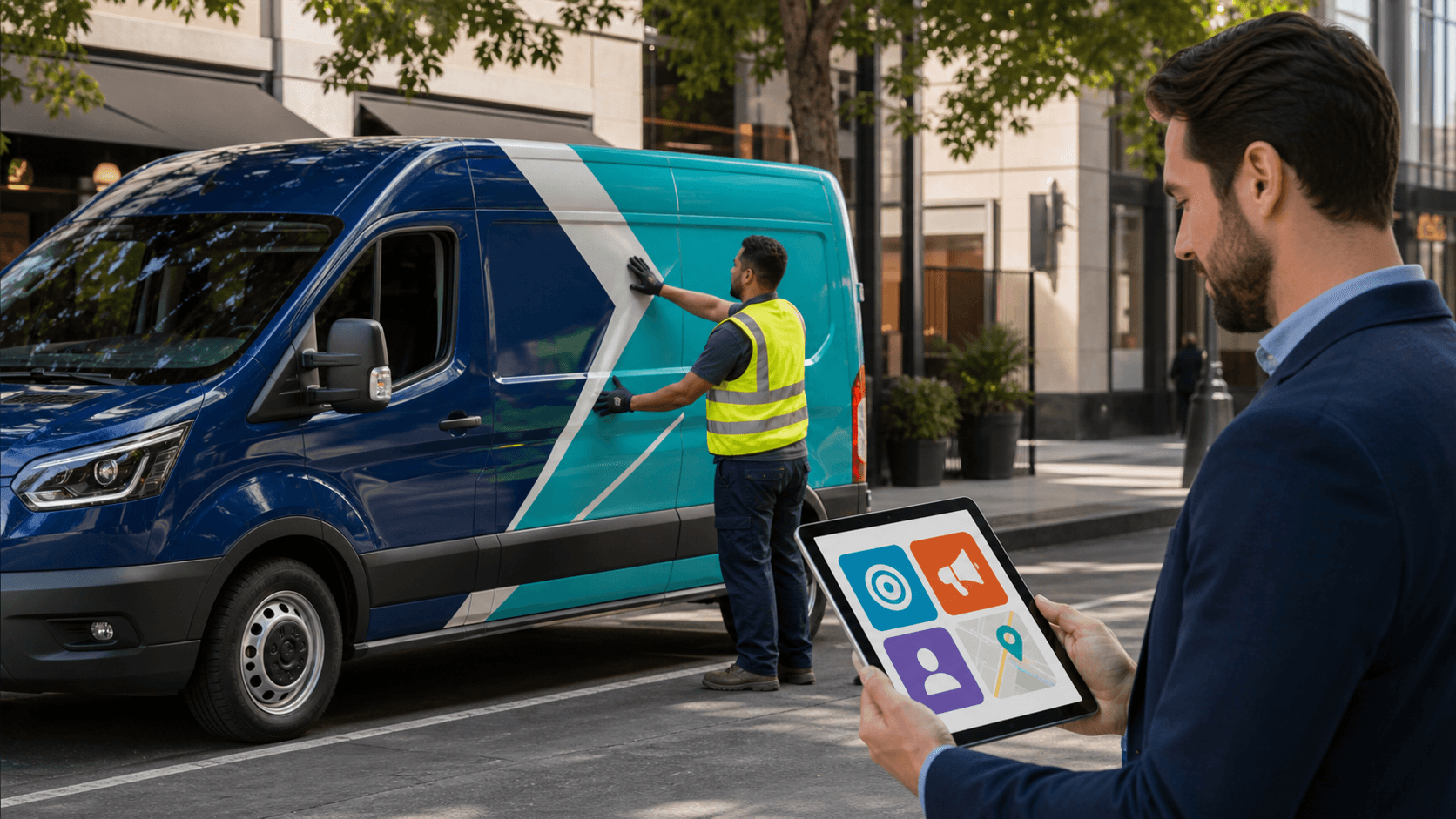
At AGS, we think of your fleet as a moving stage for your brand. With the right plan, we can take all those mixed pieces, old wraps, strange colors, and random install vendors and turn them into one clean, scalable graphics system that elevates your visibility and keeps your story consistent across the country. Together, we reshape how your brand shows up on the road so every mile builds recognition and trust.
See the Whole Field: Auditing Your Mixed Legacy Fleet
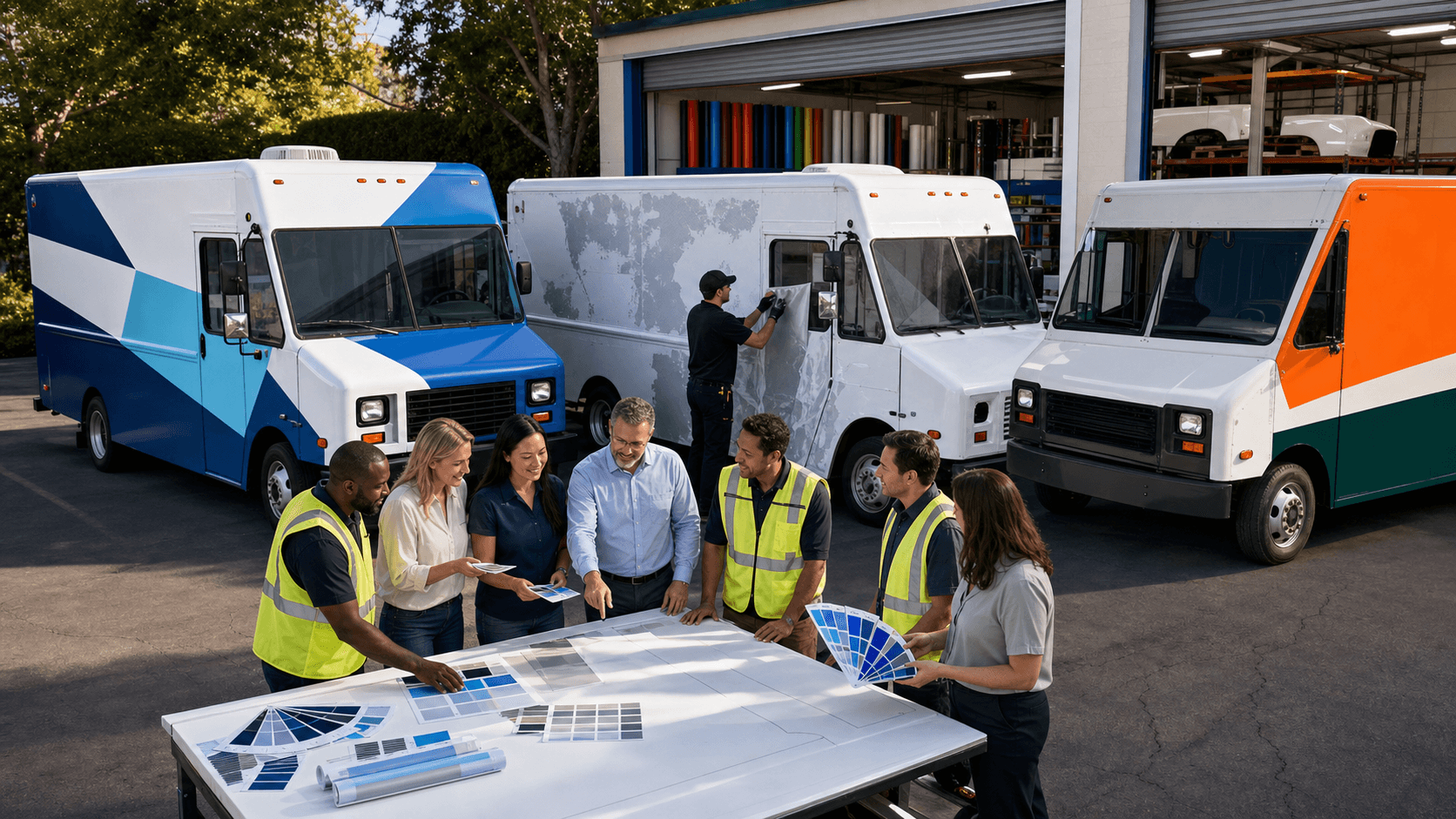
Before changing anything, you need to see everything. That means a full, honest audit of what is actually out there on the road. Many teams are surprised when they line it all up.
A solid audit usually covers things like:
- Vehicle types and counts in each market
- Current graphics, logos, taglines, and signage treatments on each fleet
- Wrap age, fading, peeling, and body damage
- Substrates and laminates already in use
- Local installers and how they are performing
Long summer days are perfect for this kind of work. You get more daylight for site walks, yard inspections, and roadside photo checks. A quick spreadsheet is not enough. You want real visual proof so you can compare vehicles side by side and understand how your brand actually appears in traffic.
Once you see it all, it is easier to spot risk and opportunity. Maybe older trailers have faded graphics that make your brand look tired. Maybe some markets still show legacy logos that do not match your current standards. Maybe key highways are full of competitors with bolder, more modern wraps.
Then you can rank what to handle first, based on:
- High-visibility routes and key metro areas
- Safety and compliance issues, like reflective markings and legible unit IDs
- Age and condition of graphics and signage
- Upcoming events, launches, or rebrands
This way, your first rollout dollars go where they will matter most for brand resonance and market visibility.
Build a Unified Brand Playbook That Works on Every Vehicle
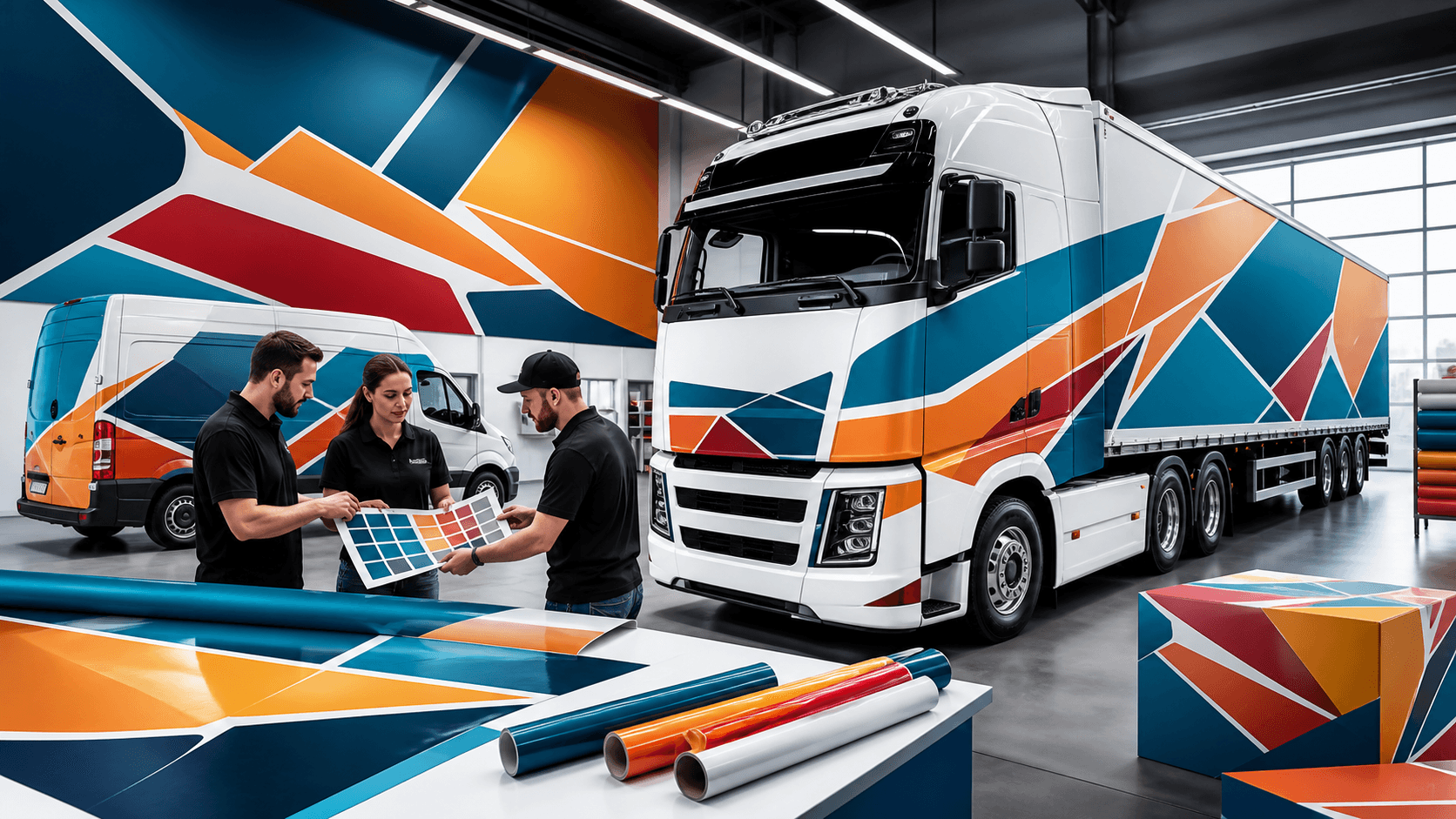
Next, you need clear, confident rules that everyone can follow. A brand playbook for fleets should be simple enough for branches to understand, but strong enough to guide every wrap and graphic application in every state.
A good fleet-ready playbook should spell out things like:
- Logo size, placement, and clear space on each vehicle type
- Primary and secondary colors, plus approved tints or gradients
- Typography for main messages, web addresses, and unit numbers
- Where key brand elements live on vans, pickups, box trucks, and trailers
When you bring several acquired fleets together, there will be visual conflicts. Some legacy brands may have strong local recognition. Instead of ignoring that, we can decide together what to keep and what to retire. For example, you might:
- Keep a well-known icon but update the colors to match the new system
- Shift a local tagline into a smaller supporting role on the graphics
- Phase out old logos on a timed schedule by market
The goal is one national presence that still feels respectful to local history. From there, we translate that look into detailed spec sheets: exact color builds, approved panel layouts, and design templates for every common vehicle style. These specifications turn creative ideas into practical, repeatable signage solutions.
That is the playbook your fleet graphics and signage partner and installer network will work from, so every vehicle, in every region, contributes to one cohesive brand story.
Standardize Materials and Methods for Consistent Quality
Strong design will fall flat if the materials do not match your real-world conditions. A cargo van in Arizona heat needs something different than a box truck facing salty winter roads in the Midwest. Because we work across the country from our base in Michigan, we see how weather in every season beats up graphics and signage.
When we standardize, we look at:
- Vinyl types that match your duty cycle and repaint plans
- Laminates that hold up to high UV and high heat in long summers
- Print methods that keep colors steady across big and small runs
You also want clear rules for durability and replacement. That might include:
- Target service life for full wraps vs. spot graphics and decals
- Regular inspection checklists for drivers and shop teams
- Triggers for refresh, like heavy fading, peeling edges, or body repair
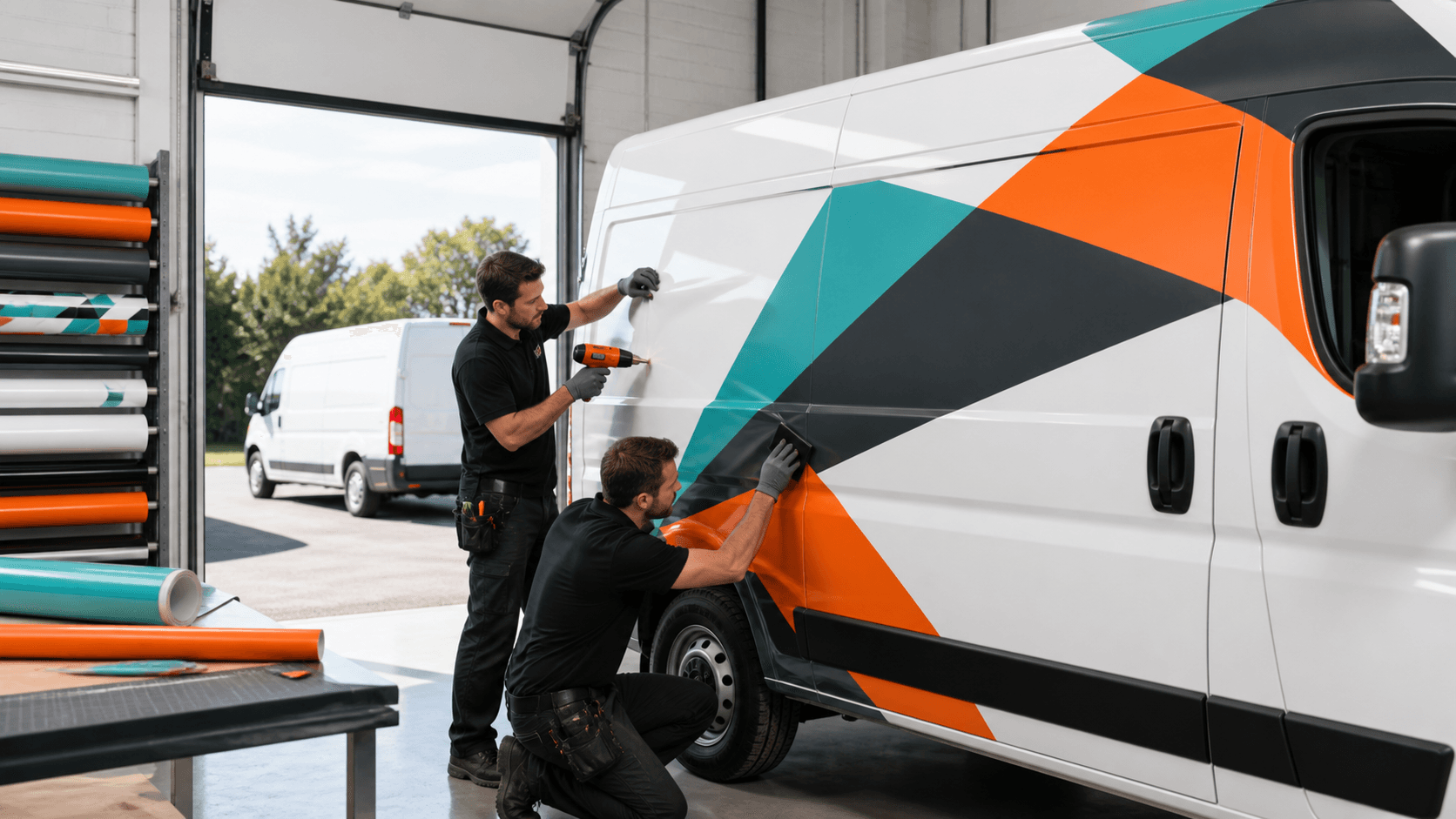
On the install side, process is everything. Every installer in the network should follow the same steps for:
- Surface cleaning and prep
- Application temperature ranges
- Overlap, trimming, and sealing of seams
- Final inspection and photo documentation
With shared methods, your fleet looks the same, whether the work is done in a big metro yard or a small regional branch. The result is a stronger, more polished road presence that consistently reflects the quality of your brand.
Orchestrate Install Partners Into One Trusted Network
Many growing fleets start with a random mix of local wrap shops chosen by each branch. That might work for a single market, but as acquisitions stack up, it turns into chaos. To build one unified brand, you need one coordinated network.
A central fleet graphics and signage provider can manage that network for you. The goal is not just to print and apply graphics, but to organize the whole system. That includes:
- Managing your master artwork and vehicle templates
- Pre-qualifying and training local installers on your standards
- Coordinating scheduling so vehicles are out of service for less time
- Handling proof approvals and completion photos in one place
Rolling out across a large fleet works best in planned phases. You might schedule by:
- Region or climate zone
- Route clusters, so trucks on the same highway look aligned
- Acquisition waves, so each new group of vehicles enters the system smoothly
A smart schedule lets you refresh branding as summer traffic peaks, so more eyes see your new unified look right away. Together, we choreograph every step so your graphics rollout feels controlled, timely, and strategically aligned with your growth goals.
Measure the Impact and Fuel the Next Integration Wave
Once the new system is in motion, you want to know it is actually working. That means setting a few clear metrics and tracking them over time. Some helpful measures include:
- Brand consistency scores from visual audits and photo checks
- Average install turnaround times by region
- Warranty or repair rates tied to materials or installers
- Changes in inbound interest or customer feedback in refreshed markets
At the same time, the best ideas often come from the field. Drivers, branch managers, and customers can tell you what stands out and what falls flat. Setting up a simple feedback loop lets you learn things like:
- Which messages are easiest to read in traffic
- Which color combinations pop in bright summer sun or low winter light
- Where unit numbers or contact info should move for better visibility
Each wave of feedback helps refine the designs, materials, and rollout plan for the next acquisition. Over time, you are not just fixing one mixed fleet. You are building a repeatable, future-ready system with your partner at AGS that turns every new acquisition into part of one strong, clear national fleet brand.
As vehicle graphics and on-the-move signage continue to play a bigger role in modern marketing, this kind of coordinated approach keeps your brand visible, vibrant, and ready for what comes next, mile after mile, market after market, together.
Get Started With Your Project Today
If you are ready to turn your vehicles into powerful marketing assets, our tailored fleet branding services make it simple to move forward with confidence. At AGS SEO, we collaborate with you to create a cohesive, memorable look that supports your brand and your business goals. Share your project details and we will recommend a clear, step-by-step plan that fits your timeline and budget. Have questions or need a custom quote fast? Just contact us and we will respond promptly.