Turn Fleet Graphics Into an Operational Advantage
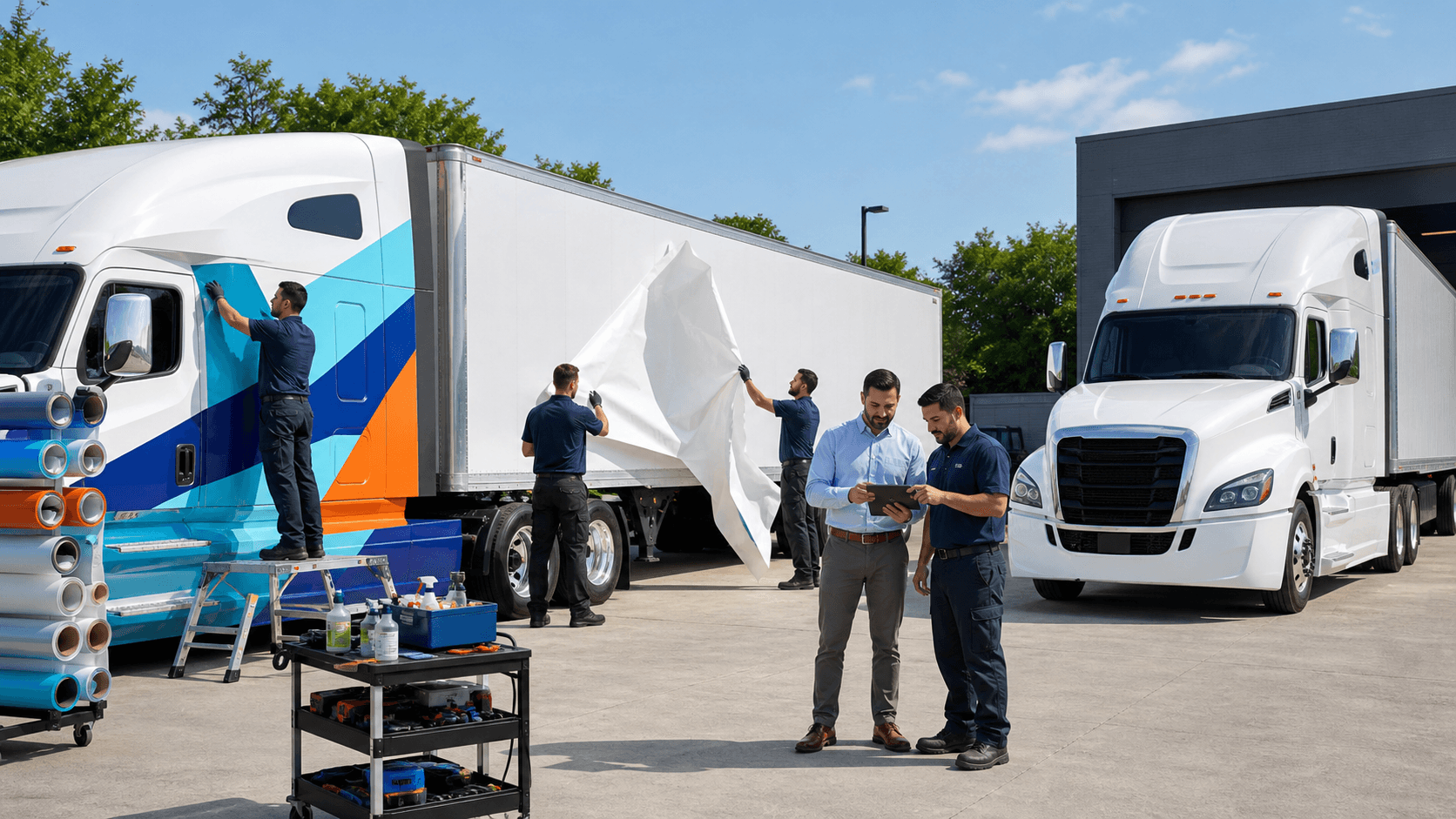
Fleet graphics installation is not just about fresh color and clean logos. It is about keeping your vehicles working while you upgrade how your brand shows up on the road. When the holiday rush hits and traffic spikes, every wrapped truck or van becomes a moving billboard you control, strengthening your visibility, reinforcing trust, and letting your brand resonate in every lane you serve.
The challenge is simple to state and tricky to solve: how do you get a full fleet wrapped across many sites without breaking routes, missing deliveries, or stacking up downtime? That is where a clear operational playbook comes in. When brand leaders, operations, and logistics teams work from the same plan, fleet graphics turn from a headache into a quiet advantage, and a powerful platform for daily impressions.
At American Graphics & Signs, we think about fleet work like an operations project with a marketing bonus. Together with our clients, we design a rollout that protects your commitments and amplifies your brand presence. Careful scheduling, smart routing, and tight communication turn a messy rollout into a predictable, low-friction process. The goal is not just great graphics, but a calm team, a fleet that stays ready to roll, and a brand that looks as reliable as your service.
Align Brand Vision with Operational Reality
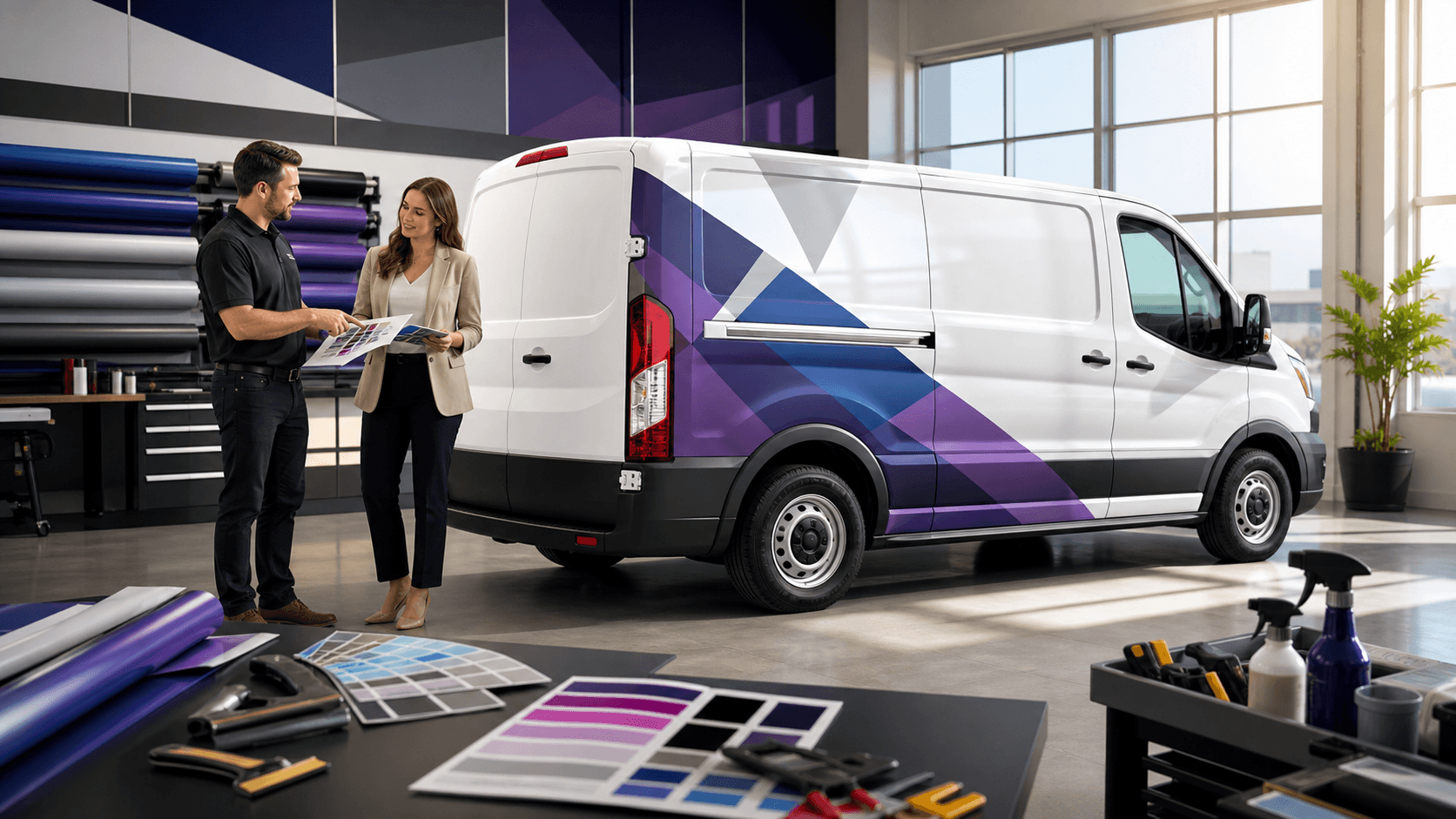
Before a single panel is printed, everyone needs to agree on what success looks like. Brand teams might want fast coverage in big markets to quickly lift awareness, while operations cares most about keeping service levels steady. Both matter, and both need to live in the same plan so your visibility grows without sacrificing reliability.
Good upfront planning usually includes:
- Coverage goals, by region or site
- Priority markets for early installs and fastest brand lift
- Timing around campaigns or seasonal pushes
- Acceptable downtime per vehicle and per location
We like to pull fleet managers, dispatch, safety, marketing, and finance into one shared master schedule. That way, installation windows line up with real routes, real driver needs, and real commitments to customers. When those teams build the plan together, surprises drop and trust goes up, and the brand story you want on the road stays aligned with the reality on the ground.
Then we lock in clear success metrics so everyone can track progress without guessing. Common targets include:
- Vehicles wrapped per week or per phase
- Average downtime per unit
- First-time quality rate and rework counts
- Adherence to go-live dates by site
- Percentage of fleet branded in priority markets by milestone dates
When these are agreed early, every decision during the rollout has a simple test: does this help or hurt the schedule, downtime, quality, and brand coverage goals we set together?
Engineer the Ideal Installation Windows
Next, we shape the actual windows where work can happen with the least impact. Every fleet runs a little differently, so we start by mapping how each site really operates. For many teams, that means:
- Daily peaks and slow periods on each route
- Seasonal swings, like pre-holiday surges or back-to-school shifts
- Local patterns, like stadium events or weather quirks
Once we see those patterns, we can match installation slots to the low-volume times instead of guessing. Night work, early mornings, or quiet midweek windows can all be used to protect your busiest runs and keep your brand visible on the road when it matters most.
It also helps to segment the fleet by how critical each vehicle is. For example:
- Lower-use or backup units can handle longer daytime installs
- High-demand units can be scheduled for off-hours or weekends
- Specialized assets can get tighter windows and more backup coverage
To keep service levels steady, we plan staggered windows and swap strategies with your team. That might mean loaner units where available, or simple route reassignments so no region feels a big dip all at once. The goal is a smooth rhythm: a few vehicles out at any one time, never a full route cut, and a steady, reliable rollout that builds brand presence day after day.
Smart Routing and Batching Across Multiple Sites
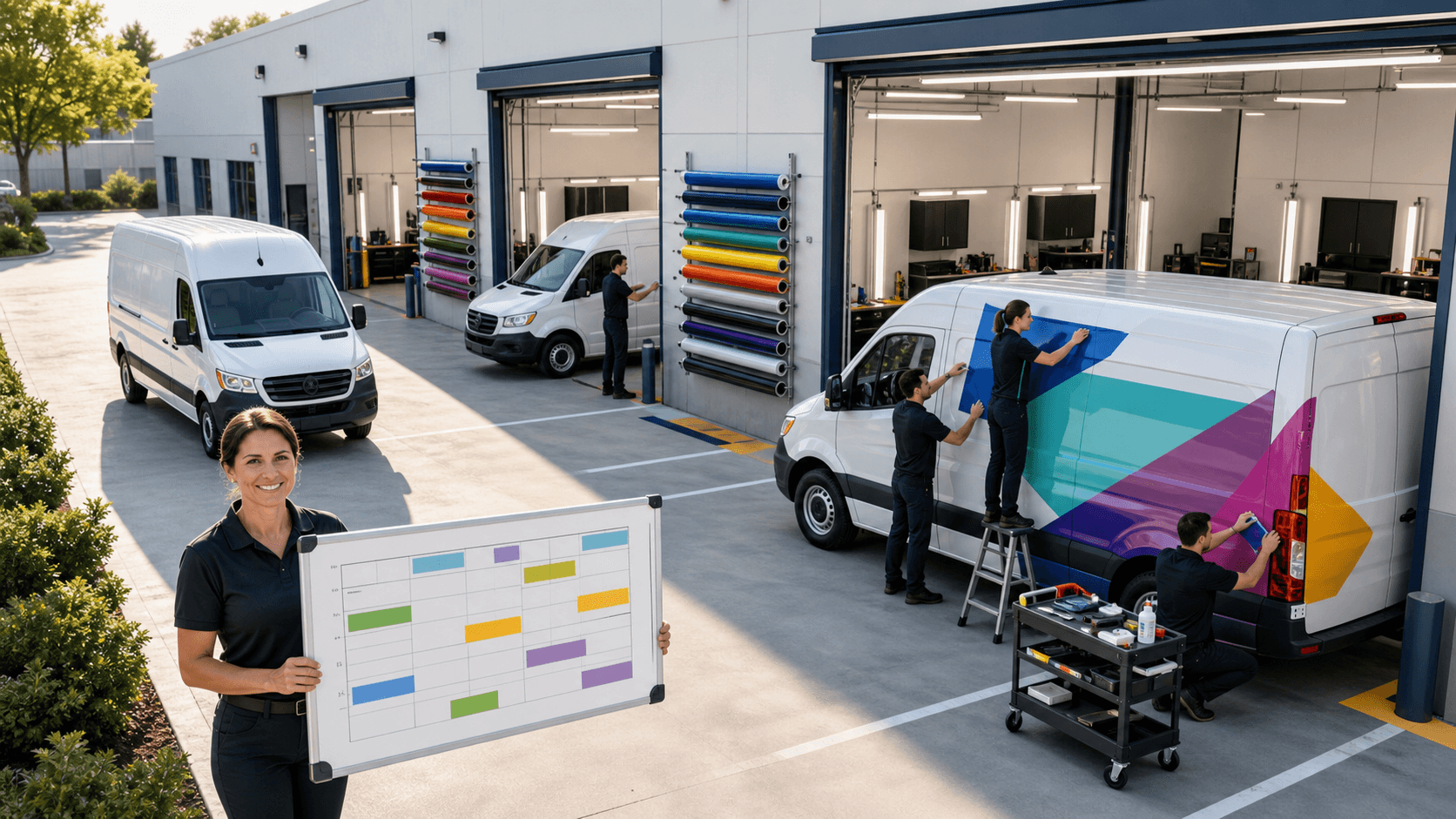
Once windows are set, the next step is to move installers in a smart, methodical way. Random site visits burn time and energy. Batching keeps crews focused and travel tight, turning logistics into a strength instead of a stress point.
We usually group work by:
- Geography, so crews move in logical loops instead of backtracking
- Vehicle type, so similar bodies and doors use the same setup
- Graphic package, so repeated layouts mean faster, cleaner installs
For larger rollouts, a hub and spoke plan can work well. Some vehicles go to a central facility that is set up for high-volume work, while others are handled on-site. This blend helps:
- Maximize productive hours each crew day
- Keep tools and materials organized and consistent
- Cut dead time moving between distant locations
- Maintain uniform brand standards across markets
A centralized project command center keeps all of this aligned. With shared calendars, route maps, and simple dashboards, everyone can see:
- Installer ETAs by site
- Vehicles completed today and for the week
- Any schedule shifts or new constraints
- Coverage progress by region and market
When each location knows what is coming, local teams can prep keys, stage vehicles, and adjust routes before crews arrive. Together, we turn a complex, multi-site effort into a precise, repeatable operation that keeps your brand consistently visible.
Build a High-Confidence Schedule with Contingencies
Even the best schedule will run into trouble at some point. Weather hits, a vehicle breaks down, a route gets pulled into emergency service, or brand artwork needs a last-minute tweak. The goal is not to avoid all problems, but to plan how to bend without breaking.
We work with our clients to build buffer time and backup options in from the start. That can look like:
- A small percentage of open time in each week for catch-up
- Backup crews on call for heavy periods
- Extra flexibility in low-priority markets that can slide a day or two
Then we map out tiered contingency plans:
- Plan A, ideal flow with no major hits
- Plan B, for one site slipping or a short delay in materials
- Plan C, for big events like regional storms or extended supply issues
Each plan comes with clear rules on who decides, who gets notified, and how fast updates move. Standard communication protocols might include:
- A single project lead for all schedule changes
- Agreed response times for local managers
- Simple message templates so updates are clear and fast
When everyone knows the play before something goes wrong, the whole team can shift with less stress. This kind of disciplined, reliable logistics lets your fleet graphics rollout keep momentum, so your brand keeps showing up strong even when conditions change.
Quality Control, Sign-Off, and Post-Install Checkpoints
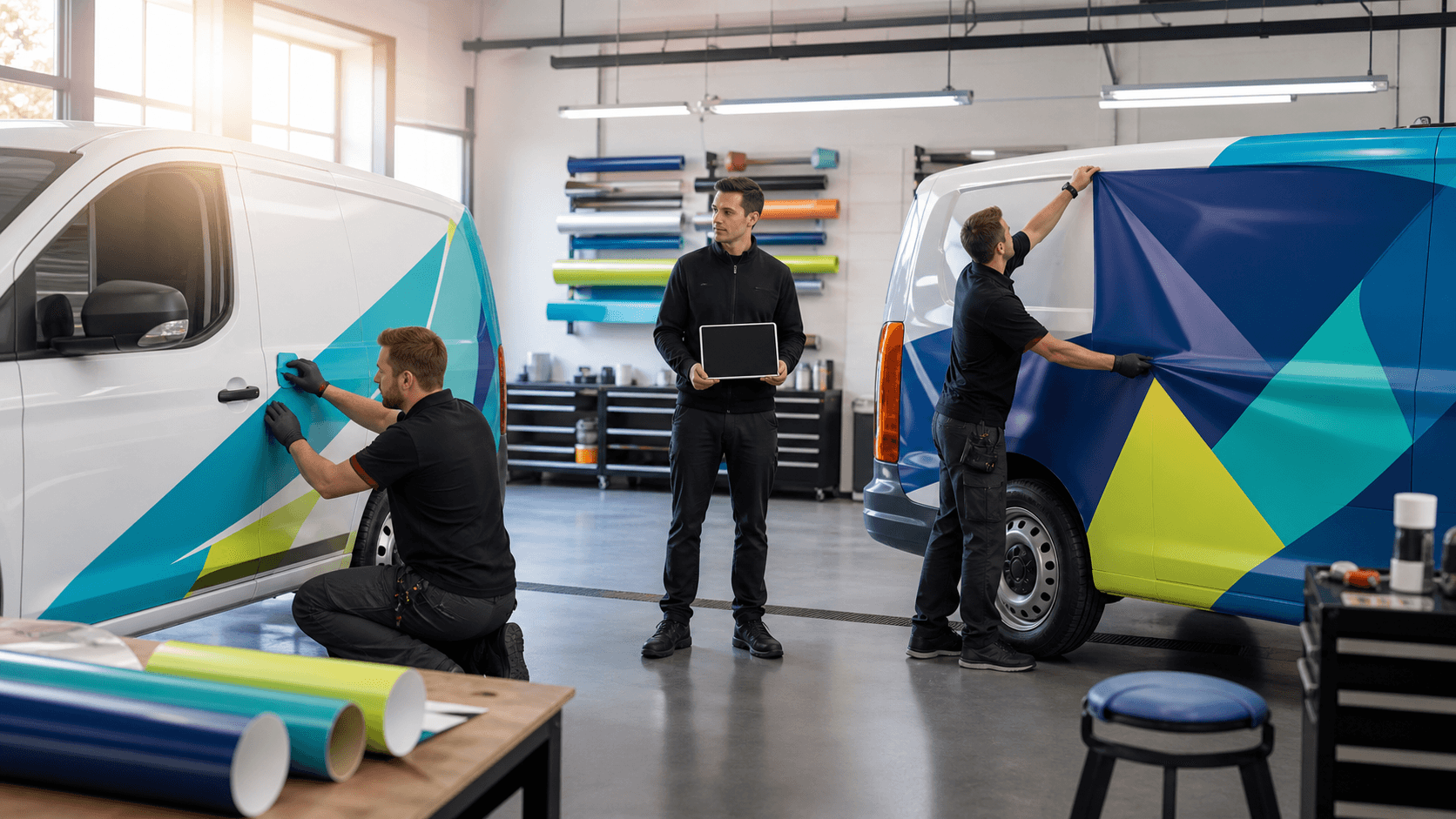
Speed is important, but not at the cost of quality or safety. A repeatable QA process keeps every vehicle on brand and road ready. For fleet graphics installation, that usually includes:
- Defined surface prep steps, especially in regions with heavy rain or road salt
- Installer checklists for alignment, trimming, and hardware clearance
- Photo documentation that captures all key views of the vehicle
Digital acceptance workflows keep the process clean. Time-stamped photos, local manager sign-off, and central records let multi-site leaders see progress as it happens. It also creates a clear history, which is helpful if a question comes up later and supports consistent brand standards over time.
After installs, it helps to plan quick audits and feedback loops. Some smart habits are:
- Spot checks of finished units at each site
- Driver input on visibility, safety, and pride of ownership
- Simple tracking of inbound calls or inquiries tied to fleet visibility
Over time, these checkpoints do two things: they keep quality high and they show how your rolling brand presence is working in the real world. You gain a practical, data-informed view of how your fleet graphics are boosting recognition and reinforcing your promise to customers.
Partnering with AGS SEO to Scale with Confidence
At AGS SEO, operating as American Graphics & Signs, we live at the crossroads of brand vision and operational reality. From our home base in the Midwest, we support fleets across the country with graphics production, fleet graphics installation, and a trusted network of installers who know how to work inside real schedules, not perfect ones on paper.
We're grateful for the partners who trust us with their fleets, and we approach every rollout as a shared opportunity to raise the bar on quality and performance. When we plan with clients, we help:
- Forecast material needs so supply keeps pace with rollout phases
- Sequence sites to match your peak seasons and regional priorities
- Model installer workload, routing, and batching before day one
- Build contingency layers that keep your fleet moving, even when plans change
- Protect brand consistency so every vehicle reinforces the same strong, visible message
Together, we can co-create an operational playbook that fits your routes, your markets, and your growth plans. The result is simple and powerful: a fleet that works hard every day and also carries a stronger, more visible brand wherever it goes, with less downtime, fewer headaches, and a clear sense of progress you can see on every mile.
Side by side, we turn fleet graphics into an operational advantage and a brand asset that keeps delivering, long after installation day is done.
Get Started With Your Project Today
Bring your branding on the road with a professional fleet graphics installation tailored to your vehicles and your goals. At AGS SEO, we work closely with you to align design, messaging, and timelines so your fleet looks consistent and polished. If you are ready to move forward or have questions about your options, simply contact us and our team will walk you through the next steps.