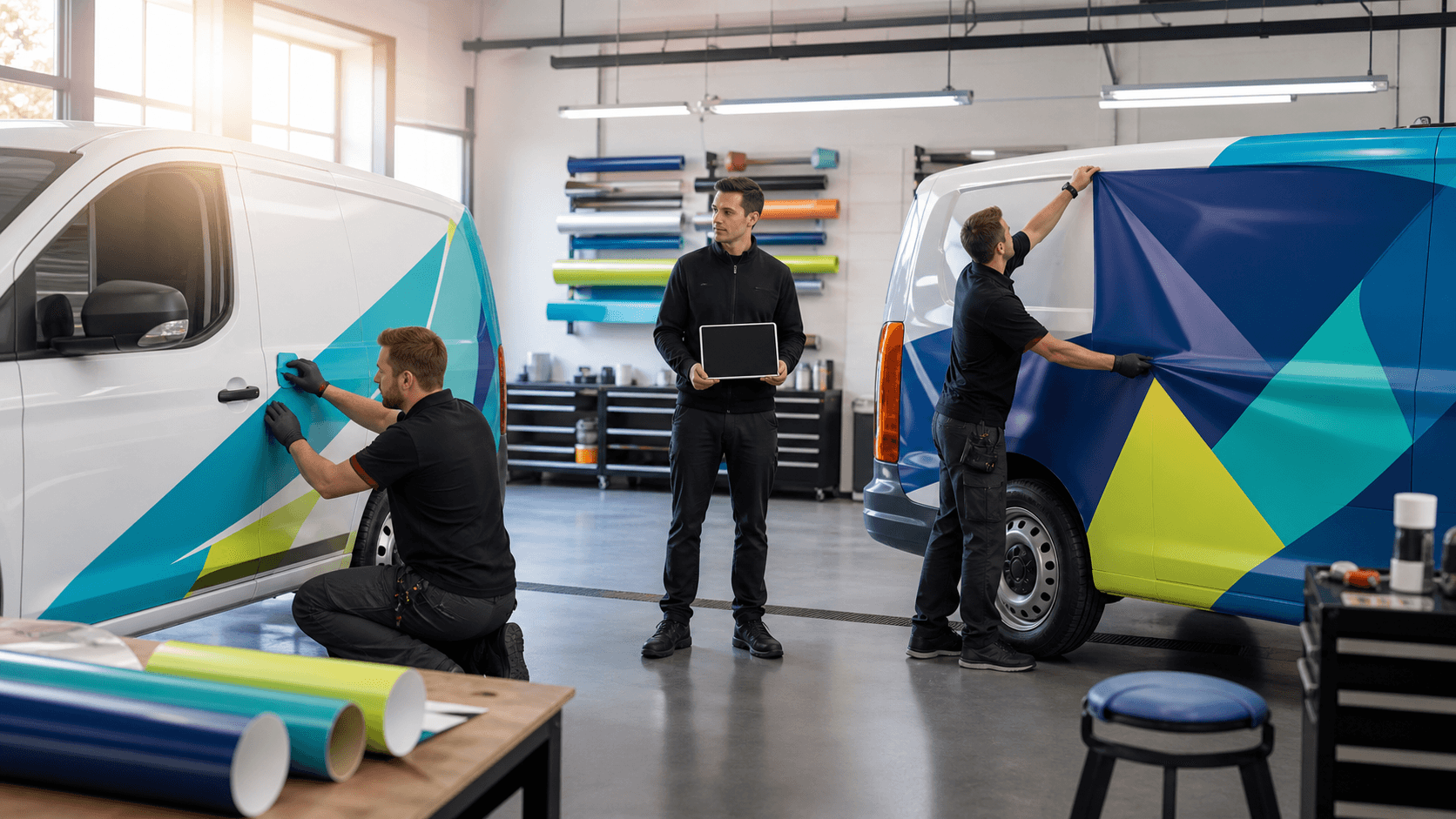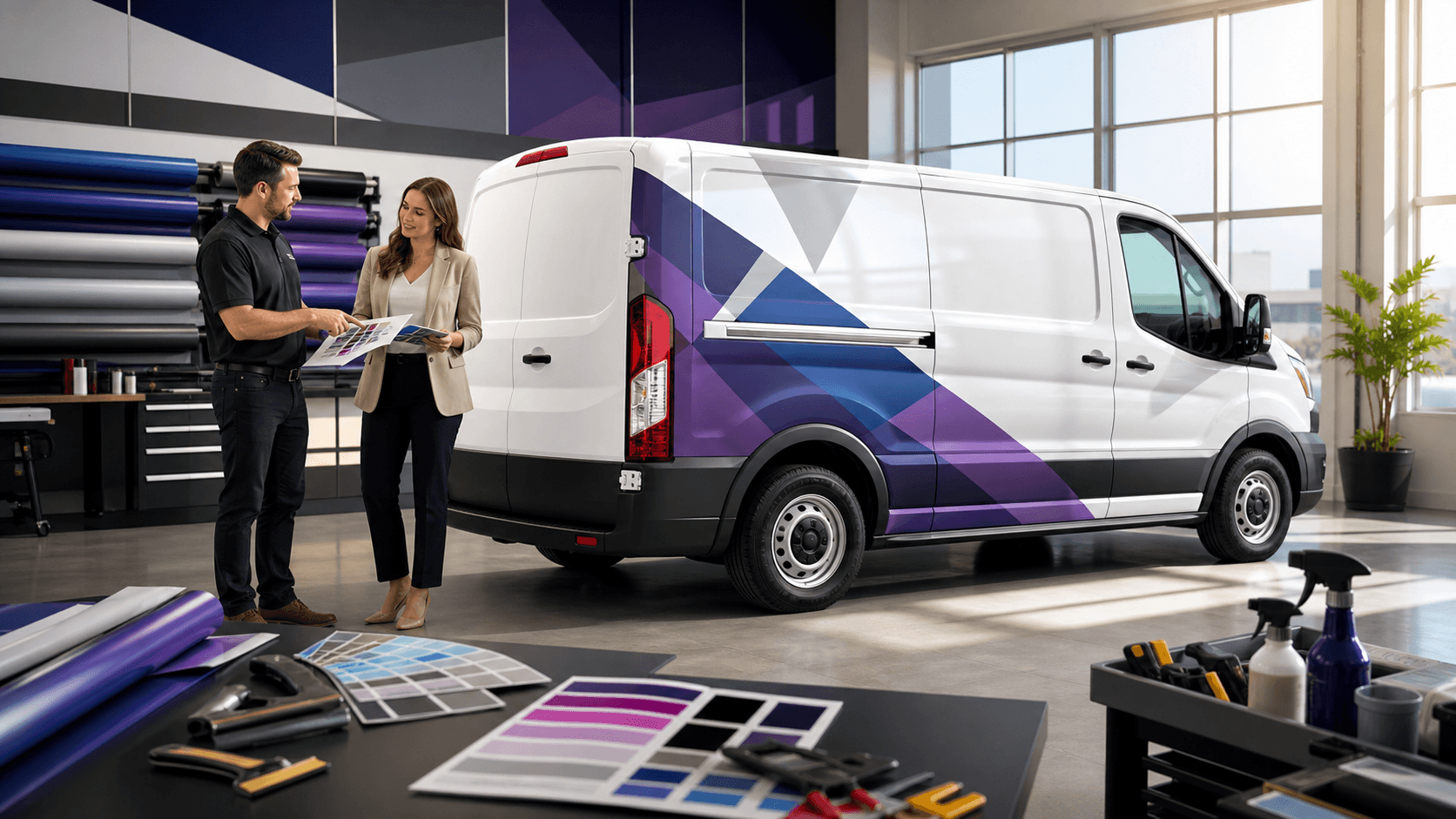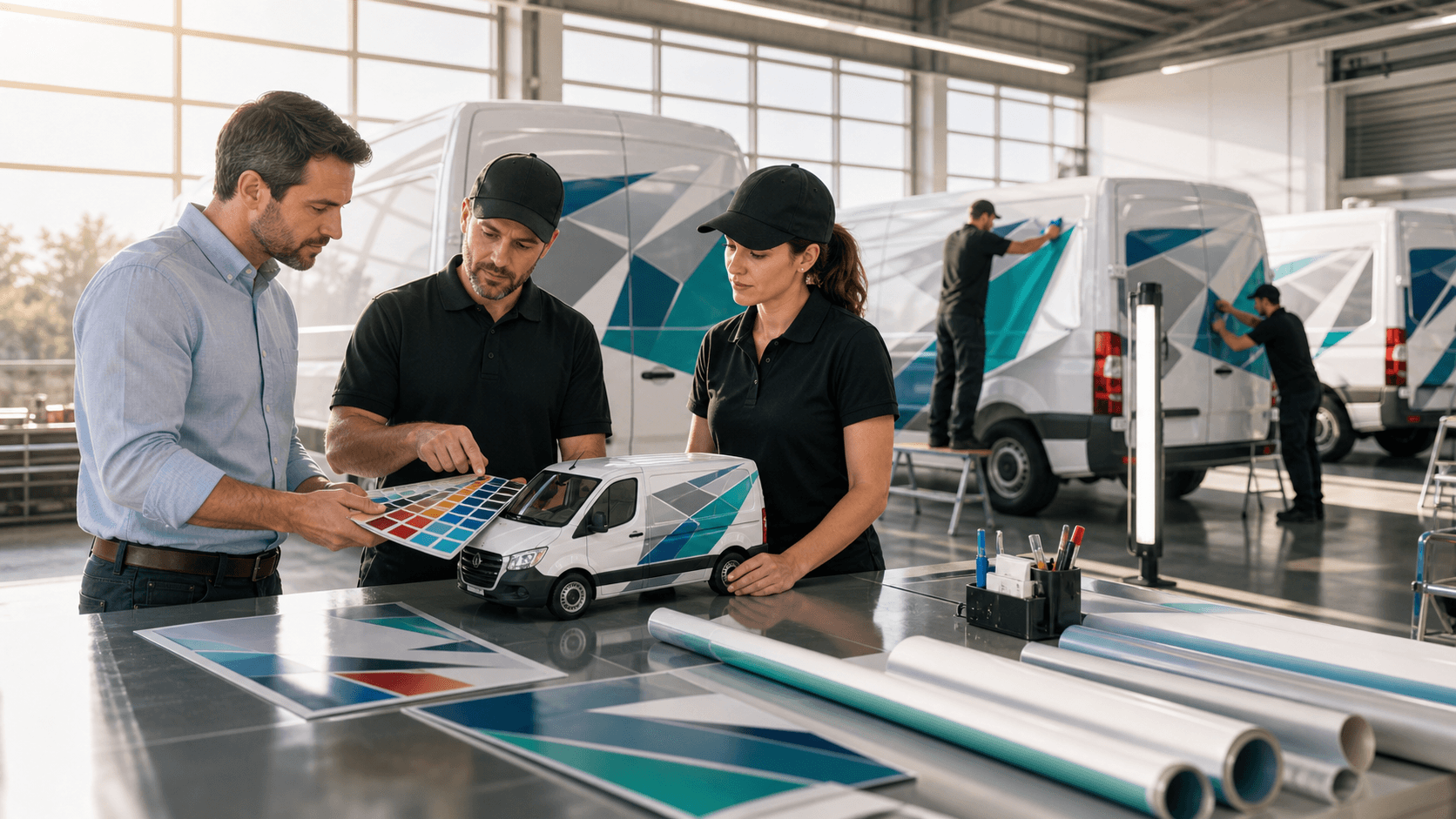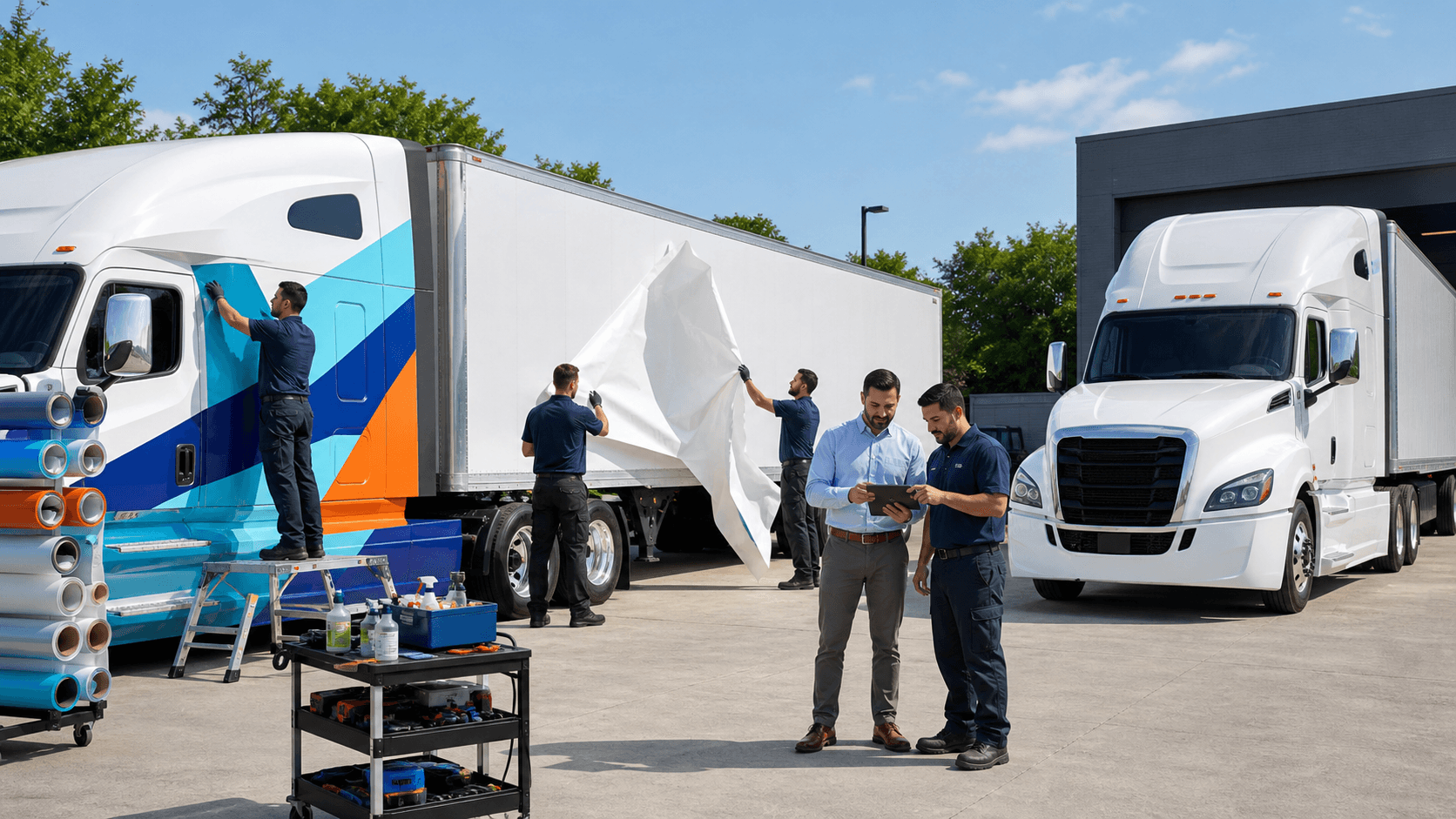
Plan Every Mile Your Graphics Will Travel
Semi-truck graphics are not just decoration. They are rolling billboards working day and night in every kind of weather, from icy Midwest highways to hot Southern interstates. When those graphics look sharp, your brand looks sharp. When they fade, crack, or peel, the message people see is very different.
That is why planning the full lifecycle of your graphics matters. Long-haul rigs take a beating, and your wraps and decals should be planned to match that reality. When we think ahead together about replacement cycles, resale and trade-in, and how graphics move from tractor to trailer, every mile has a clear purpose. At AGS SEO and American Graphics & Signs, we're grateful for the chance to partner with fleets that want to keep improving, and we focus on that kind of long view so your brand stays strong and visible on the road.
Why Lifecycle Planning Matters for Semi-Truck Graphics
Waiting until graphics are failing creates stress. It also creates bad first impressions at docks, yards, and customer locations. Faded colors and peeling edges suggest a lack of care, even when the truck itself is well-maintained.
Thoughtful lifecycle planning turns that around. It helps you protect what you've built and push your brand further. Planning graphics through the full life of the asset helps you:
- Keep visual quality and consistency across the fleet
- Avoid last-minute emergency rewraps
- Line up work with downtime your shop already has
- Protect and elevate brand reputation in every lane you run
There is also a direct financial side. When you know how long materials usually last on your routes, you can time refreshes so you are not paying for early removals or rushed installs. Coordinating graphic work with preventive maintenance, DOT inspections, or seasonal slowdowns cuts extra trips to the shop and helps keep trucks rolling.
The best results come when your fleet team and your graphics partner act as one group. With shared planning, we can map out replacement windows, adjust as your routes change, and keep designs and specs aligned as your brand grows. Together, we can use each refresh as a chance to sharpen your message and strengthen how your brand resonates on the road.
Setting Realistic Replacement Cycles by Route and Climate
Not every truck lives the same life. A tractor that runs sunny Southwest lanes will put different stress on graphics than one running snowy Midwest winters. UV from strong sun, road salt, gravel spray, and frequent washing all affect how long semi-truck graphics stay sharp.
For premium vinyl and laminate, many fleets plan for a multi-year window, then adjust based on real-world factors like:
- Average miles per year
- Parking in open sun, partial shade, or indoors
- Hand washing versus harsh automated washes
- Exposure to salt, sand, and de-icing chemicals
Season timing matters too. Many fleets find it smart to handle major wraps or big refresh projects in late summer or early fall. That way, trucks go into winter with fresh, well-sealed graphics before the cold and chemicals show up, keeping your brand looking confident through the toughest months.
You do not have to treat every unit the same. A tiered approach often works best:
- Full or near-full wraps on flagship units or new equipment
- Strong but simpler door, hood, or sleeper graphics on tractors nearing trade-in
- Annual or every-other-year inspections to catch early lifting, cracking, or color shift
That kind of plan keeps your best units in full brand mode, while older tractors still look professional without over-investing when they are close to leaving the fleet. It balances creativity with practicality so every asset contributes to your larger brand story.
Designing Semi-Truck Graphics with Resale in Mind
The day you spec graphics, you are also affecting what happens when that rig is sold or turned in. Clean removability can make a unit far more appealing. Heavy adhesive residue or paint damage slows remarketing and adds effort for the next owner.
Smart, forward-looking design choices help protect resale value and keep your brand looking well managed:
- Use films and install methods that are made to release cleanly from OEM paint
- Put the most aggressive coverage on panels that are easier to replace if needed
- Avoid wrapping across lots of body gaps and hinges where removal is harder
- Keep complex branding away from high-chip zones if possible
Branding and compliance still matter. You need bold graphics, clear DOT numbers, and unit IDs. The opportunity is planning them so certain pieces can be updated without stripping the whole truck. For example, using separate panels for DOT and local markings allows quick swaps when info changes or if a unit is reassigned.
Documenting your graphics choices is a big help when it is time to sell. A simple record of film types, installation dates, and basic removal notes shows buyers that the unit was cared for and that the graphics were not an afterthought. It reinforces that your fleet treats every truck as a valuable part of a larger, well-run brand.
Spec'ing Graphics for Tractor-Trailer Flexibility
Modern fleets rarely keep one tractor on one trailer forever. Tractors get reassigned, trailers get swapped, and rentals fill gaps in busy seasons. If graphics are designed only for one perfect combo, the look can fall apart when that combo changes.
We like to think in systems, not one-offs. A modular design approach for semi-truck graphics can include:
- Core brand elements that appear on both tractors and trailers
- Layouts that scale up or down for 28-foot pups, 48-foot trailers, and 53-foot trailers
- Consistent color standards so units look like one fleet even if installed at different times
Practical spec details matter just as much as the artwork:
- Matching material families on tractors and trailers so aging looks consistent
- Placement that keeps logos and key messages visible even when pulling a third-party or rental trailer
- Clear install guidelines so every shop in your network places graphics the same way
When fleet managers and graphics pros sit down early, we can build templates that follow your actual operations. Together, we can shape a graphics system that evolves with your business. The result is a brand that feels strong, unified, and recognizable, no matter what mix of equipment is in the yard on any given day.
Building a Proactive Graphics Roadmap with Your Fleet Team
Treating graphics like maintenance planning brings everything together. Instead of waiting for problems, you work from a roadmap that ties design, operations, and asset strategy into one plan.
Many fleets find it helpful to create a small internal group focused on "brand on wheels." That might include:
- Operations or dispatch, who know route and equipment patterns
- Maintenance, who know shop capacity and PM schedules
- Marketing, who guide brand style and messaging
- Finance, who track asset cycles and budgets
With that team in place, you can look across your whole fleet and ask:
- Which units need full wraps, partial graphics, or simple logo treatments?
- When do leases end or trade-ins usually happen?
- What windows of seasonal downtime fit bigger install pushes?
A nationwide graphics partner can support with fleet-wide audits, material recommendations, and phased rollout plans that respect your real lanes and shop rhythm. Shared data like photos, install dates, condition notes, and route profiles help everyone make decisions based on what is actually happening on the road, not guesses.
At AGS SEO and American Graphics & Signs, we're thankful to collaborate with fleets that care about every mile their brand travels. We see every truck and trailer as a moving story about your company and the customers you serve. With thoughtful lifecycle planning, we can keep that story clear, bold, and consistent from the first mile to the last, and keep finding new ways to strengthen your brand's visibility and impact together.
Get Started With Your Project Today
Transform your fleet into a rolling advertisement with our custom semi truck graphics tailored to your brand and budget. At AGS SEO, we work closely with you to design, produce, and install graphics that are durable, eye-catching, and consistent across every vehicle. If you are ready to put your trucks to work for your marketing, reach out to our team through our contact page so we can map out your next project.