Build Brand Consistency Before the First Vehicle Rolls Out
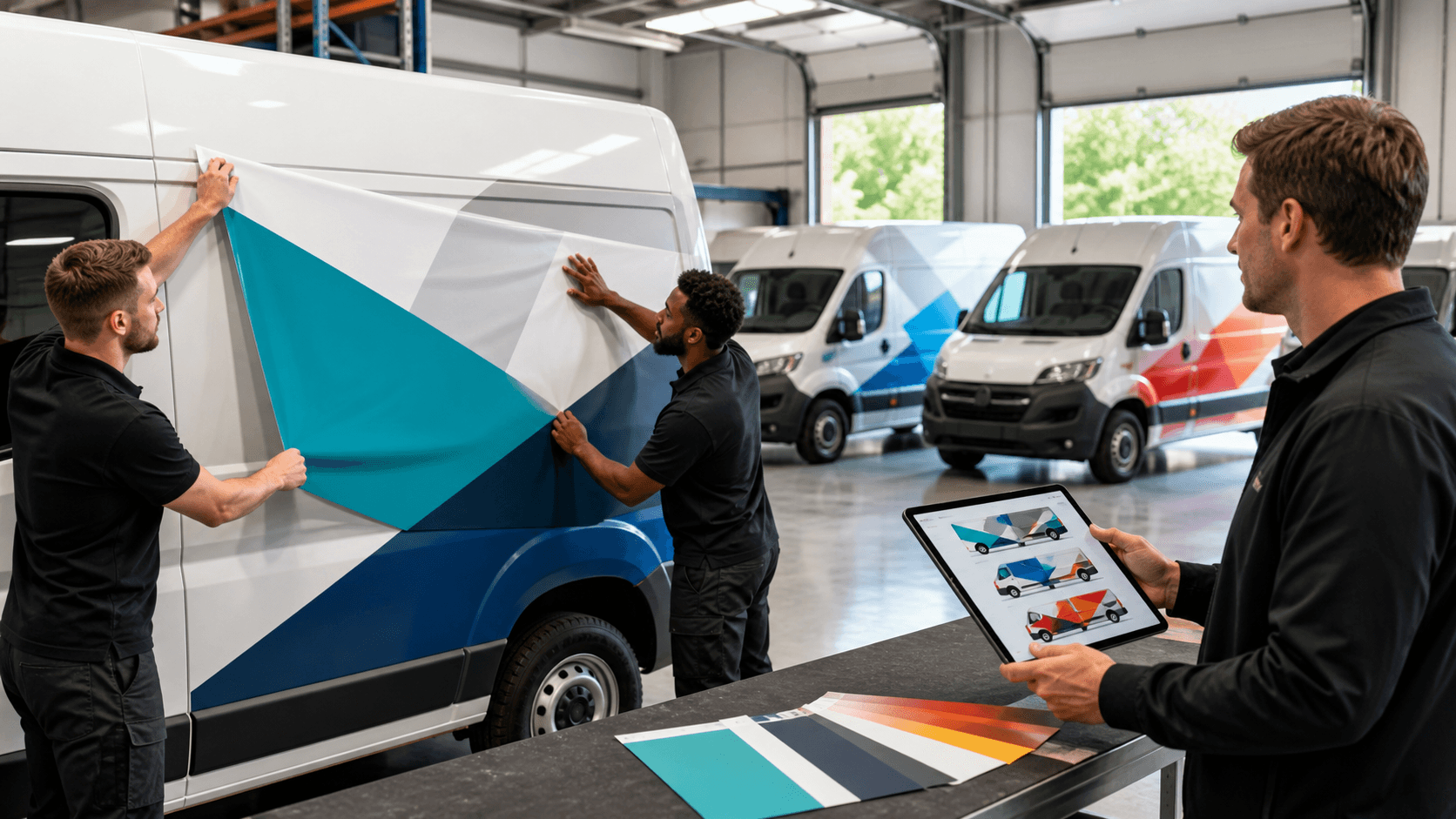
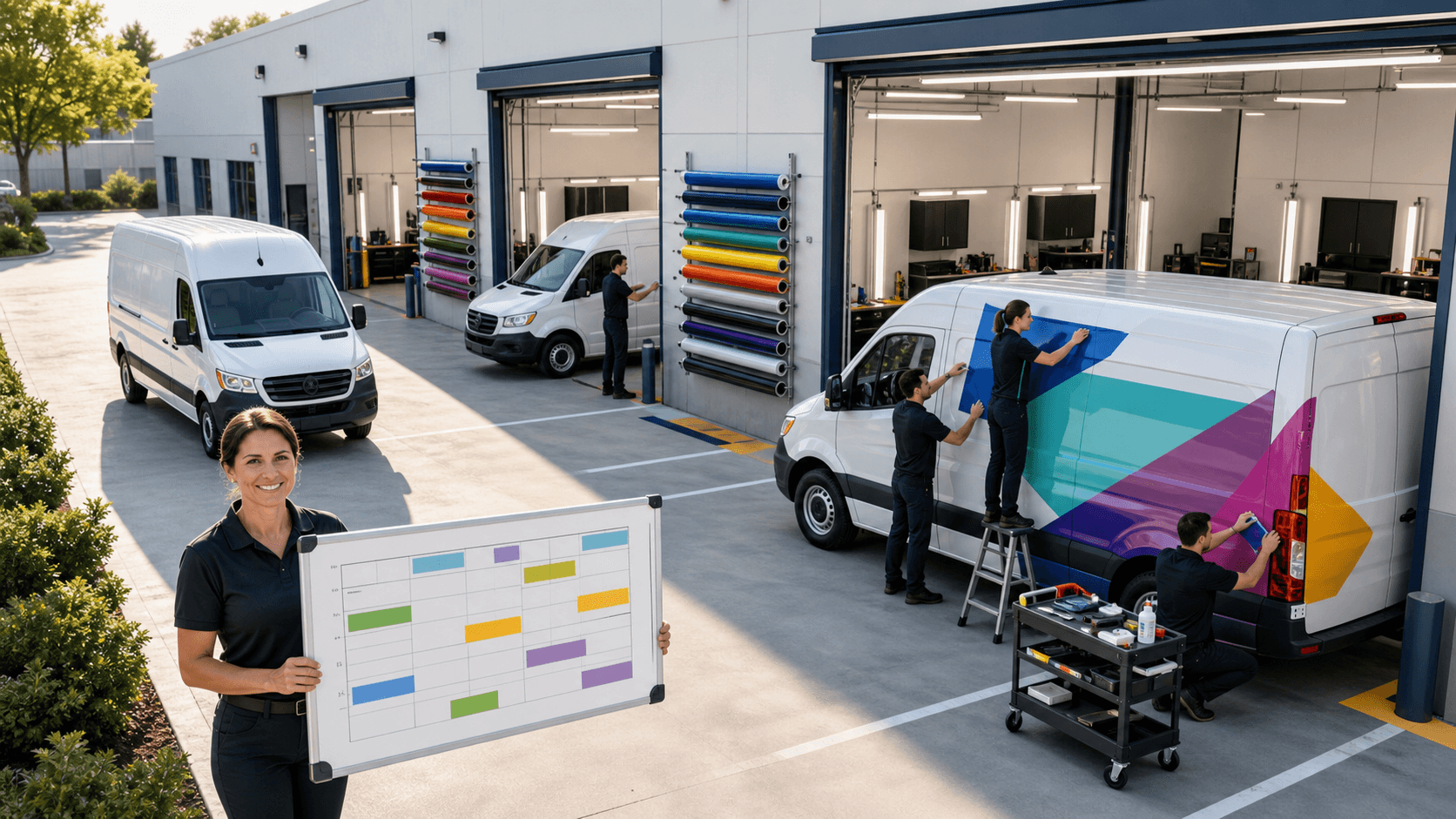
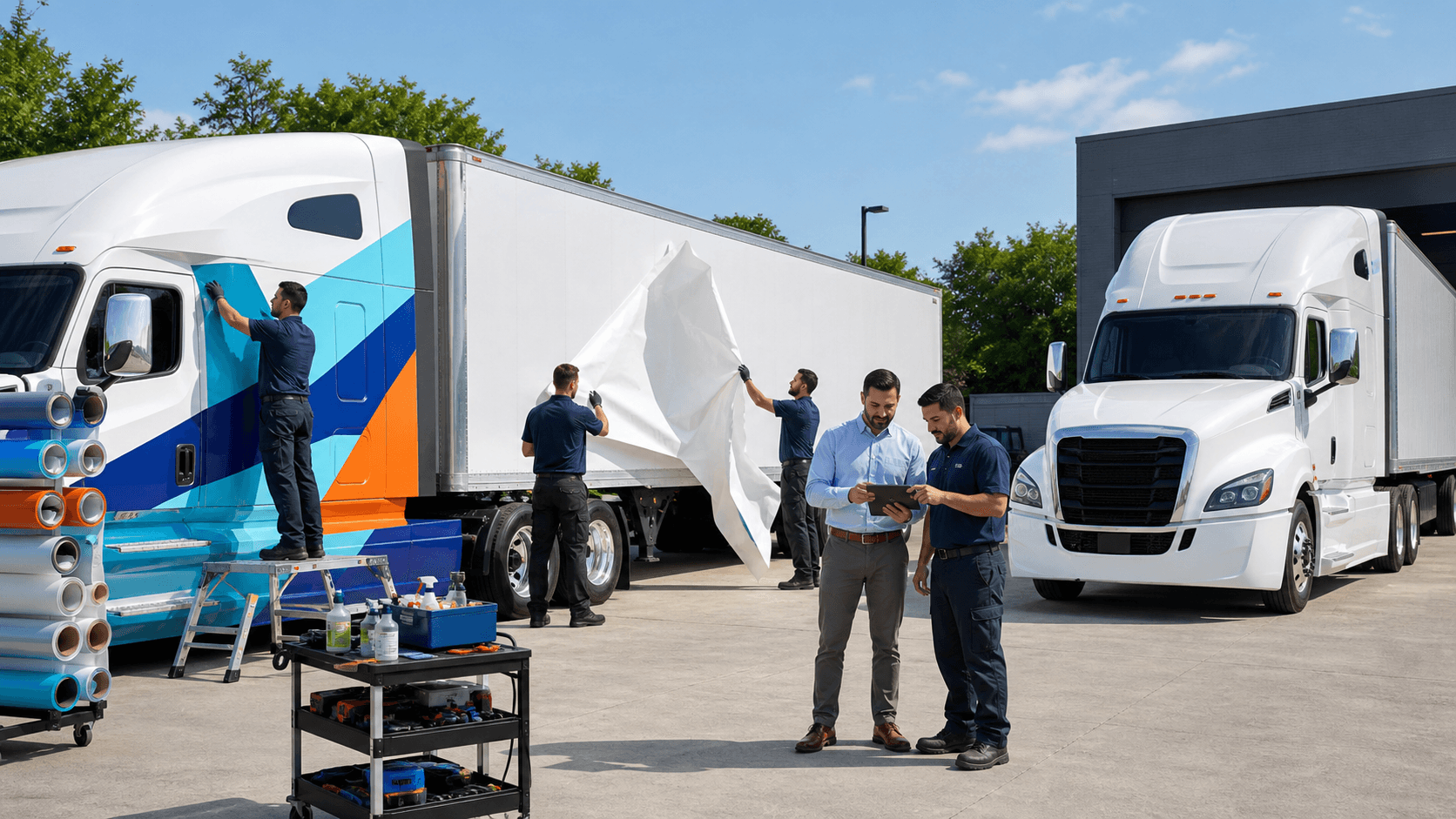
Fleet graphics are not just stickers on doors. They are rolling billboards that carry your brand into traffic, job sites, neighborhoods, and every stoplight in between. If each vehicle looks a little different, your brand power fades fast.
Most of the problems do not start in the install bay. They start much earlier, when the bid goes out with fuzzy specs and missing standards. Vendors guess on materials, colors, and layouts; those guesses turn into real trucks on real roads.
In this article, we will walk through how to write clear fleet graphics specs, from the statement of work to materials and color standards to smart approval gates. When marketing, procurement, and operations point to the same playbook, your fleet becomes a steady, on-brand presence instead of a patchwork. Working with a seasoned fleet graphics company can make this much simpler and a lot less stressful.
Align Procurement and Brand on a Single North Star
Before you debate films or finishes, you need a shared picture of success. That picture has to live outside any one department. If procurement is chasing the lowest bid while marketing is chasing the best color, someone is going to be unhappy.
We like to see teams agree on goals like:
- Strong brand consistency across every region and vehicle type
- High vehicle uptime and smart install windows
- Safety and compliance for all required markings
- Reliable speed to market for launches and rebrands
- Total cost of ownership, not just the first invoice
Next, map out who is actually involved. In most fleets, that includes marketing or brand, fleet operations, safety, procurement, legal, and sometimes regional or franchise teams. Decide in writing:
- Who owns visual standards
- Who can approve any deviation
- Who selects and manages the fleet graphics company
- Who signs off on schedule changes or substitutions
Then turn brand values into sourcing language. If your brand is "premium," that might translate to cast film, long-term durability, and clean, low-orange-peel finishes. "Approachable" might mean softer colors, matte or satin where glare is a concern, and simple layouts that are easy to read. Bring your fleet graphics partner into those talks early so we can turn ideas into specs that actually work on real vehicles in real weather.
Write a Fleet Graphics SOW That Vendors Cannot Misread
A good statement of work removes the guesswork. It tells every vendor exactly what they are signing up for and what "good" looks like.
On scope and geography, spell out:
- All vehicle types and body styles, including new models that will phase in
- Estimated quantities and how they may ramp up or down
- Primary install locations, like central yards or regional sites
- Rollout timelines, with notes on busy seasons or blackout dates
- Seasonal factors, like cold-weather installs in late fall or hot, high-sun markets in summer
Then define service expectations. Who will adapt designs to new vehicle types? Who will handle site surveys and measurements? Who prints, kits, ships, schedules, installs, removes, and stores graphics? Your SOW should also cover:
- Standard response times for quotes, proofs, and schedule changes
- SLAs for install quality and completion dates
- Communication habits, such as weekly status calls or dashboards
Quality, warranty, and compliance language is where many SOWs fall short. Be clear on:
- What counts as a failure, for example lifting edges, fading, or bubbling
- How many failures trigger reprints or retraining
- Warranty coverage for materials and installation, and how claims are handled
- Any regulatory needs, like DOT numbers, reflective panels, or local sign codes
A seasoned fleet graphics company can help you find and close the gaps, so you do not discover them halfway through a rollout.
Specify Materials and Colors so Your Brand Never Fades
Materials are where your brand meets the real world: sun, salt, snow, heat, and road grime. In many parts of the country, including places with tough winters and hot summers, that mix can be rough on graphics.
Set clear standards for film and laminate:
- Approved material families, such as cast film for long-term wraps
- Laminate type and finish, gloss, matte, or satin
- Expected service life in your typical conditions
- Any special needs, like high UV resistance or salt-spray durability
- Seasonal install rules, such as minimum surface temperatures and extra cure time
Color is where brand drift often shows first. Do not rely on "close enough" CMYK guesses. Instead, lock in your colors with:
- Pantone numbers as the base language
- L*a*b* values for more precise targets
- Vendor-specific color profiles tuned to your brand colors
- Defined tolerances and a simple pass/fail method for proofs
For specialty looks like metallics or special finishes, decide up front if they are must-haves or nice-to-haves. That choice affects both material and print process.
Finally, keep control of templates and layout. Require:
- Master art files in agreed formats
- Scaled, labeled templates for each vehicle model
- A formal process for any brand change or campaign overlay
Your fleet graphics company should treat your brand book like a production blueprint, not a suggestion, and help keep every template current as models and branding shift.
Build Approval Gates That Catch Problems Before the Road
A clean approval path saves you from bad surprises in the yard. Instead of one big "OK," use small, smart gates.
A strong flow might look like this:
- Material selection and testing, with samples for review
- Color target approval, including print drawdowns in your key brand colors
- First-article print approval before full production
- First-vehicle install approval, one per vehicle type
- Regional rollout green light once the first few installs pass checks
At each gate, name the decision owner and what is needed: photos, physical samples, or both. This keeps decisions fast and clear, even when teams are busy.
Build in visual documentation too. Ask for:
- Photos of every first install per vehicle type and region
- Standard install checklists for installers to follow and sign
- Periodic audits of vehicles in the field
For fleets that use more than one fleet graphics company, shared standards matter even more. Use one master set of art, one color target library, and one proofing process that all vendors follow. That way, a van wrapped in one state looks the same as a truck wrapped two time zones away.
Turn Your Specs Into a Living Fleet Branding Playbook
Once your SOW, material standards, color rules, and approval gates are in place, do not let them sit buried in a file share. Turn them into a simple, clear playbook that everyone can understand and put to work.
That playbook should support:
- Internal teams, so marketing, operations, and procurement stay aligned
- Local branches, so they know how to request work and what "on-brand" means
- Install partners, so they see not just rules, but reasons behind them
Then measure how well things are working. Helpful KPIs include brand compliance rate, reprint volume, install cycle time, and downtime avoided because installs were planned around vehicle schedules and weather. A good fleet graphics company will review these with you and suggest updates as vehicles, routes, and seasons change.
At American Graphics & Signs, we see fleets as moving brand assets, not just equipment. When your specs are clear and living, your vehicles stay sharp, visible, and steady on-brand, year after year, no matter where the road takes them.
Get Started With Your Project Today
Partner with AGS SEO and our trusted fleet graphics company to turn your vehicles into consistent, high-visibility branding assets. We will help you plan, design, and coordinate graphics that match your goals and your schedule. Reach out so we can review your fleet, answer your questions, and outline a clear next step. If you are ready to move forward, contact us and we will get your project underway.