Rethinking Partial Wraps for a Stronger Fleet Future
Partial vehicle wraps sound smart on paper. You get your logo out there, add some color, and keep more of the factory paint showing. For many brands, that has felt like a safe way to test fleet graphics without going all in.
But as your fleet grows and your brand evolves, it is worth asking a strategic question: are partial wraps really supporting your long-term goals, or are they an early step that is ready to be upgraded? As late summer planning ramps up and Q4 budgets get real, this is a great moment to look at your vehicles with fresh eyes and think about what they are truly saying on the road.
Our team at AGS works with fleets across the country, and we are grateful to see how creative many brands have been with partial wraps. We also see a clear pattern: partial wraps can absolutely play a role, but they are not always the long-term answer on their own. Together, we can look at where they shine, where they struggle, and how to build a fleet strategy that grows with your business instead of holding it back.
Why Partial Vehicle Wraps Became so Popular
Partial wraps did not take off by accident. They solved a few real problems for brands trying to get noticed without overcommitting.
Many teams were drawn to them because they felt:
- Budget-friendly to start
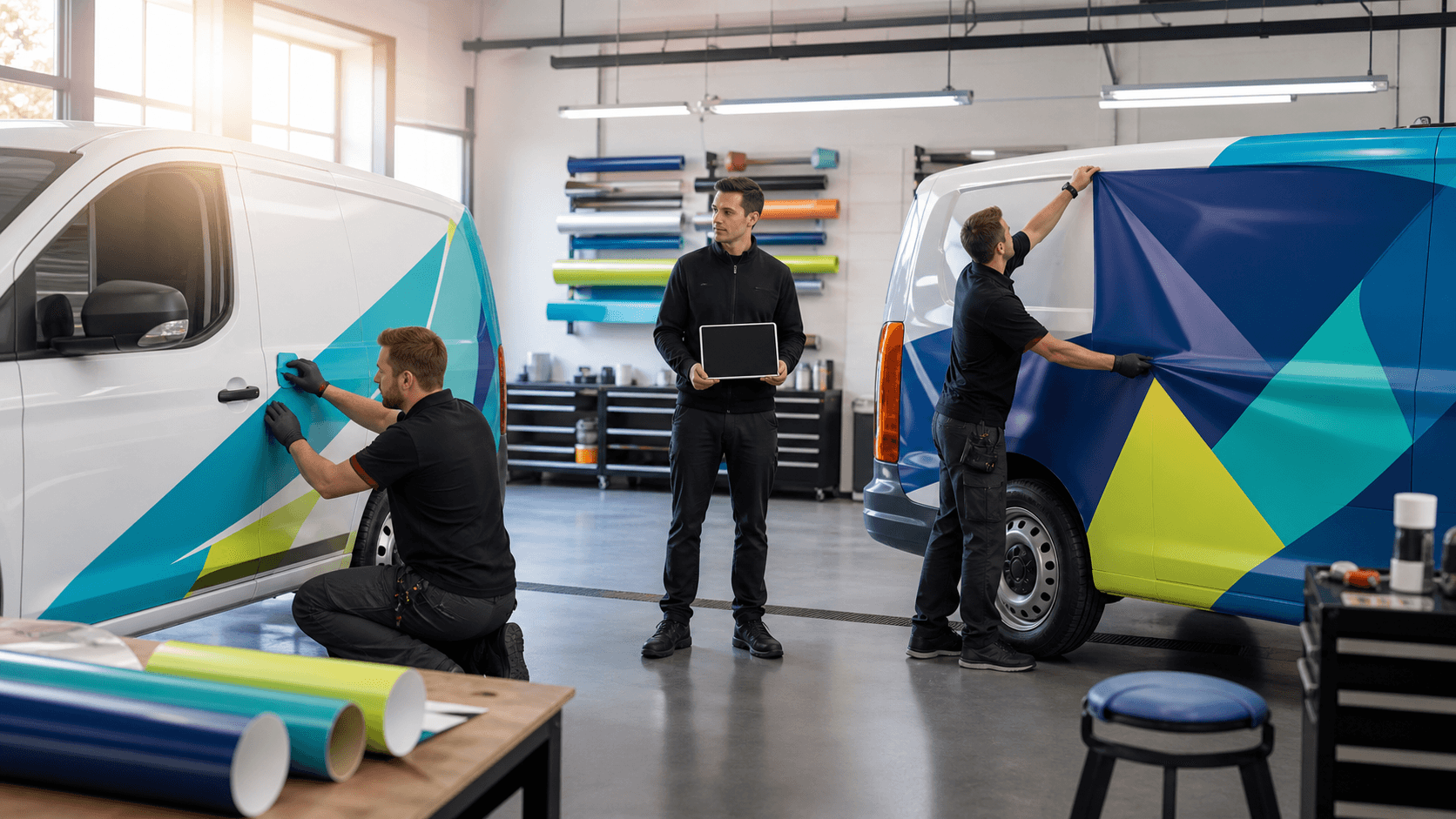
- Faster to approve and install
- Easier to test across different markets
- Creative without feeling "too loud"
Shorter install time meant vehicles could get back on the road quickly. When you are moving crews or products every day, that matters. Creative teams also liked how partial graphics could frame key areas, like:
- A bold logo on the side doors
- A color block on the rear with contact info
- Simple graphics that tie into existing paint
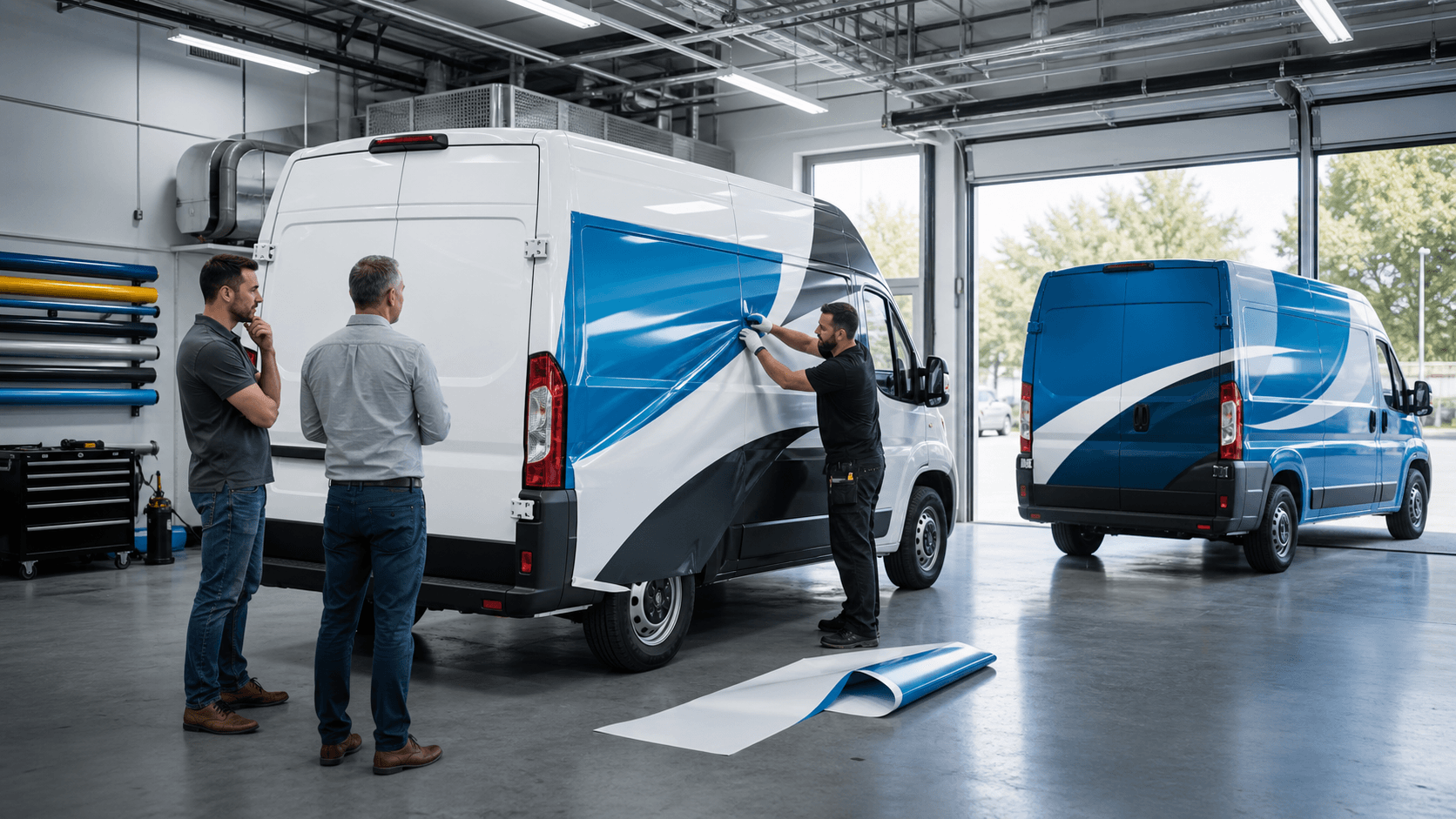
In many situations, this approach worked well. Event fleets that only ran for a season, short-term product launches, or pilot programs in a new region often did well with partial wraps, because they needed speed and flexibility more than long-term consistency.
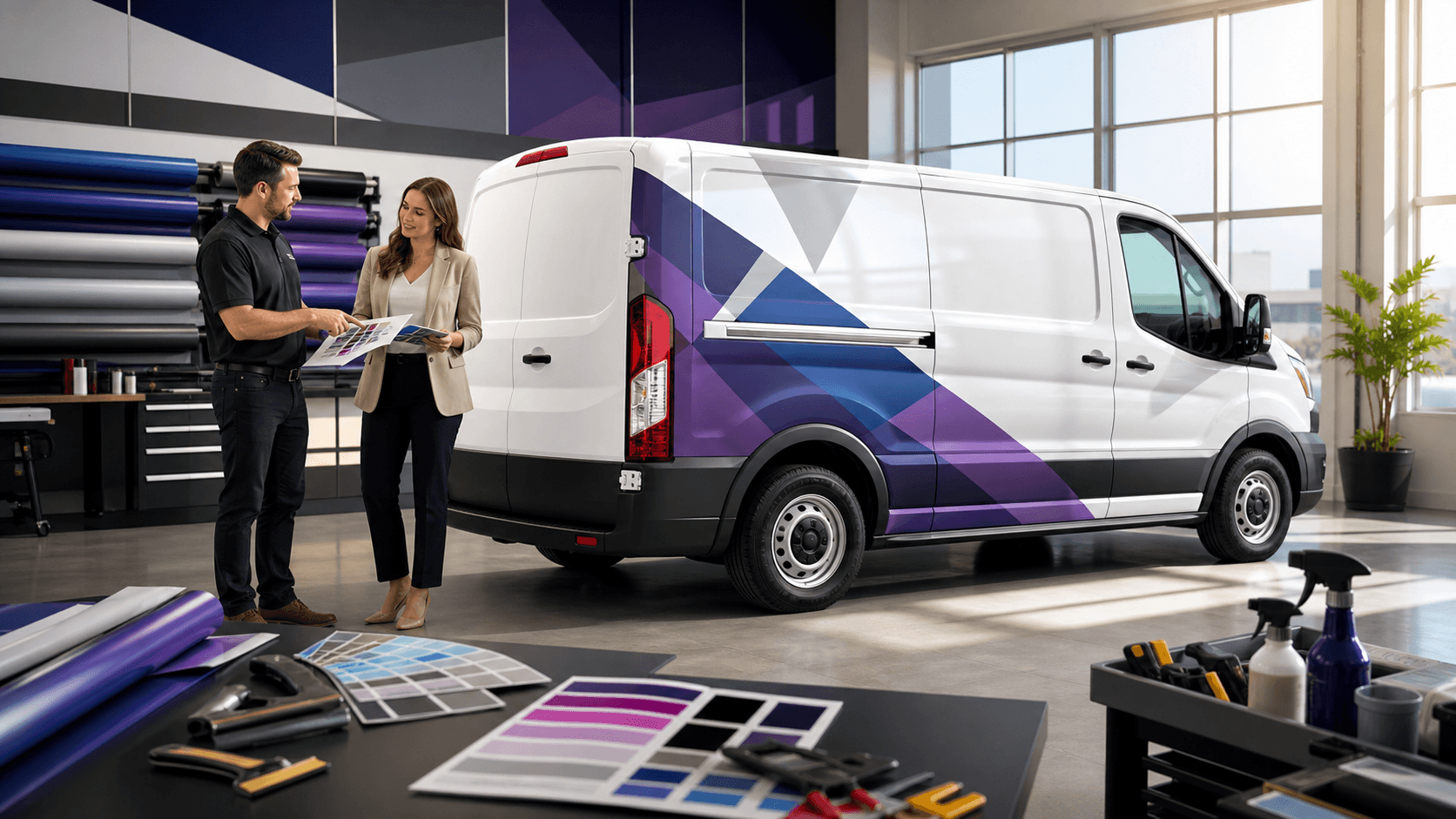
For brands that were unsure about committing to full wraps, partial coverage felt like a low-risk way to get in the game. You could test messages, layouts, and colors, then adjust based on what resonated with your audience. That kind of thoughtful experimentation is an important step in building a stronger, more confident brand presence.
Where Partial Vehicle Wraps Fall Short Over Time
As your fleet and brand mature, new opportunities emerge, and that is where partial wraps sometimes start to feel limiting.
First, there is the issue of presence. When only part of the vehicle is wrapped, your brand has to compete with the exposed paint for attention. On a moving vehicle, that can turn into:
- Mixed signals about your colors
- Graphics that feel small or "stuck on"
- Less impact at a distance
Then there is the lost space. A vehicle is a moving billboard. Every panel, window, and angle is a chance to speak clearly to people in traffic or in a parking lot. With partial coverage, a lot of that space stays silent, which can mean missed chances to build recognition and recall.
Over time, wear and tear also tells a story. Sun, rain, snow, and road grime can age graphics in ways that do not match the rest of the vehicle. When a partial wrap starts to fade or peel next to factory paint, the whole unit can look older than it really is. That makes it harder to signal the level of quality and care you deliver every day.
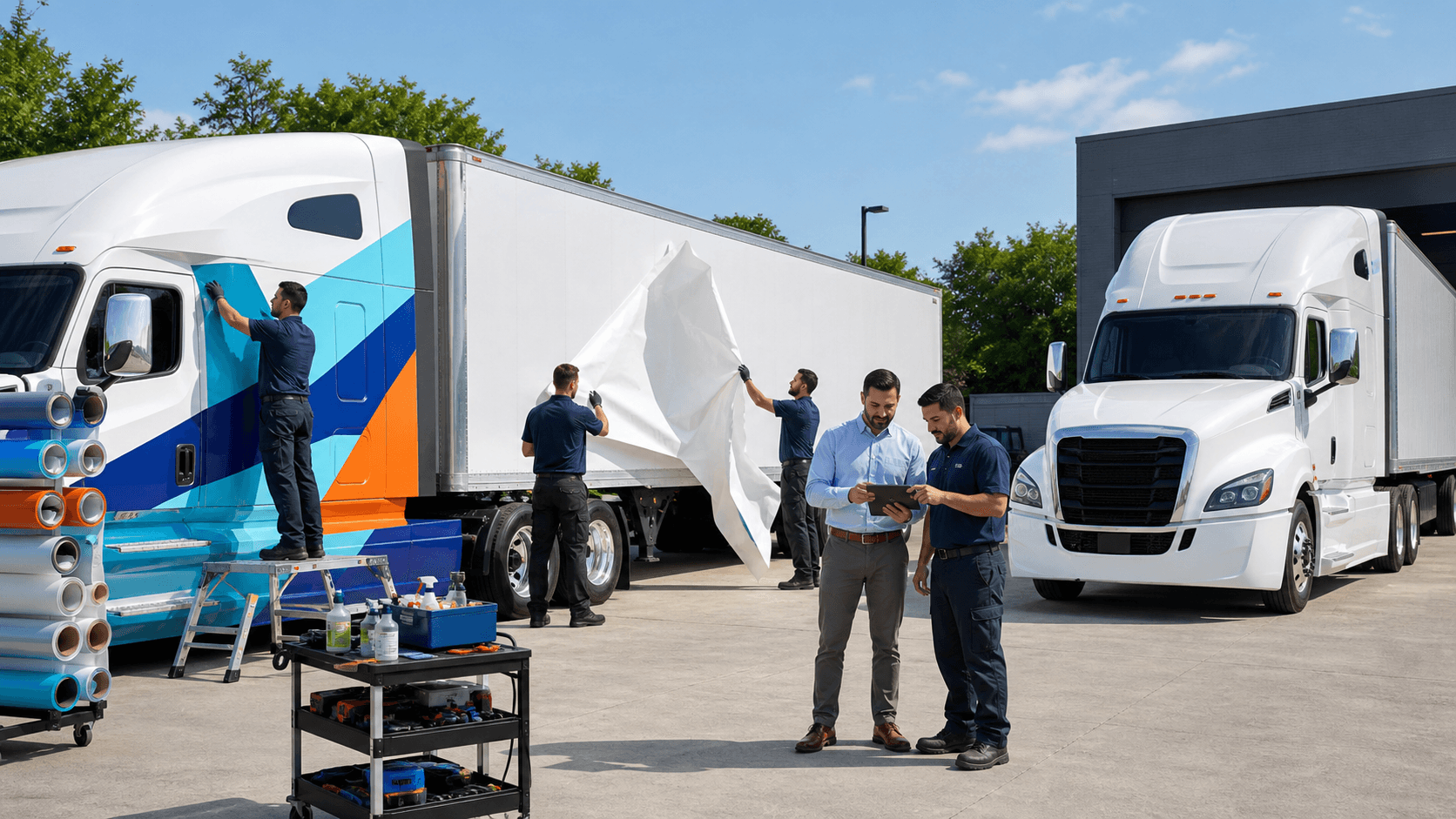
Scaling makes the challenge bigger. As more vehicles get added, small changes in partial designs can turn the fleet into a patchwork. Maybe one batch uses a big color block, another uses a diagonal stripe, and another keeps things very minimal. Viewed together, the fleet can feel less unified and less premium than the brand really is.
The upside: all of these factors can be addressed with a more holistic graphics strategy that treats your fleet as one cohesive, high-impact brand system.
When Partial Vehicle Wraps Still Make Strategic Sense
Partial wraps are not "bad." They simply need a clear role in your larger plan.
There are times when partial coverage makes a lot of sense, such as:
- Transitional phases while testing a new logo or color direction
- Seasonal or limited campaigns with a set end date
- Fleets that must stay subtle for security or neighborhood rules
If you are in a brand refresh, you might not want to commit to a full wrap design that could change again soon. A smart partial approach can bridge that gap while marketing and leadership finish making decisions.
For seasonal pushes, like holiday promos or event-driven campaigns, partial wraps can give you strong visibility for a defined period, then be replaced with your long-term look afterward.
In some industries, a lower-key presence is actually the goal. Service vehicles that park in residential neighborhoods, or units that visit sensitive locations, may need to stay more quiet while still being clearly branded.
To get the most from partial wraps, it helps to set some "guardrails" up front:
- Keep a clear hierarchy of message: one main point, not five
- Use consistent placement across every vehicle in the fleet
- Choose colors and shapes that still feel instantly like your brand
With those rules in place, partial designs can serve as a smart, controlled piece of a bigger system, instead of a one-off solution. Together, we can make sure each partial wrap supports, not dilutes, your long-term brand story.
Building a Future-Proof Fleet Graphics Strategy
The strongest fleets treat graphics like a system, not just stickers. Your vehicles, your building signage, and your digital presence all work together to tell one steady, confident story.
Choosing between partial and full wraps is not about which style looks cooler. It is about what fits your:
- Fleet size and mix of vehicle types
- Typical replacement and refresh cycles
- Weather and road conditions in your core markets
- Growth plans over the next several years
Rather than focusing only on the first install, it helps to think about the whole life of the fleet. Full wraps often deliver more consistent presence, more usable message space, and a cleaner look as vehicles age. Partial wraps can feel lighter at the start, but may need more changes to stay aligned with your brand as it grows.
Nationwide fleets face an extra challenge: keeping a similar look across different markets, climates, and vehicle models. That is where a coordinated partner matters. At AGS, we focus on fleet graphics that stay true to your standards from one region to the next, so whether you use partial wraps, full wraps, or a mix, the message still feels unified on every road.
Turning Every Mile Into a Branded Advantage
Every mile your vehicles travel is a chance to strengthen brand recognition, trust, and recall in traffic, at job sites, and parked outside a client's building. The question is not just "are we wrapped?" but "are we using this space in the best way for who we are becoming?"
As late summer planning rolls into fall budgets, this is a powerful time to take a thoughtful look at your partial vehicle wraps. Do they reflect the level of care and quality you bring to your work? Do they match where your brand is headed, not just where it was a few years ago?
When you treat your fleet as a long-term branding system, every vehicle turns into a stronger asset. We are grateful to partner with organizations that see their fleets as a platform for growth. Together, we can shape a graphics plan that feels consistent, scalable, and ready for the road ahead, mile after mile.
Get Started With Your Project Today
Bring your brand to life on the road with custom partial vehicle wraps designed and produced by AGS SEO. We will work with you to create a look that fits your goals, budget, and existing branding. If you are ready to talk details or request a quote, simply contact us and we will help you move forward.